

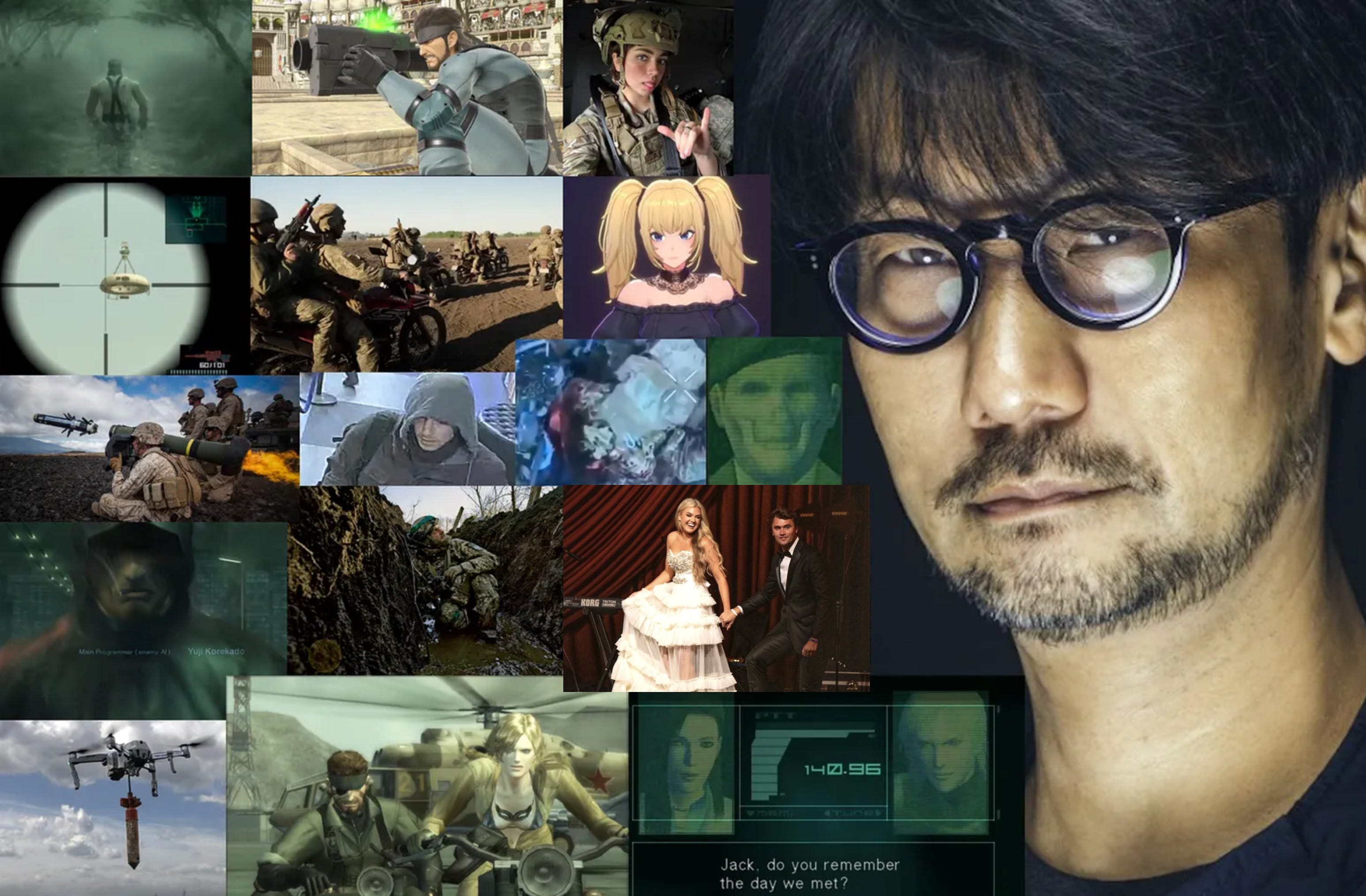
People in west have asked why no diversity in my games [sic] but they are wrong, when all my games have included a gay character:
you, the player.
-Hideo Kojima
Continuing my series of Deep Dives into Videogames and the imagined world of asymmetric strategies and tactics (that then come true) like The Most Beautiful Game: How Supreme Commander Stole My Heart and The Unkillable Cyberpunk Franchise and unconventional asymmetric warfare and tactics like The War to the Knife, the Knife to the Hilt and Getting Away With It: The Art of Urban Infiltration and Exfiltration… In this peace I’d like to go back to the beginning of 21st century imagined military madness…
The earliest-deepest dive into the madness of post-9/11 5th Generation Warfare…
The story that predicted everything…
Part 1: The Generational Gulf
Writing this essay is difficult, because depending on very specific thresholds of where and when you were born, your gender, and other cultural aspects… I’m either talking about one of the most familiar and foundational works of your childhood, your culture, and how you conceive war, culture, politics, history, and what it means to lead a good life… Or I’m talking about something you’ve never heard of.
The Metal Gear Solid franchise to this day is the primary, (maybe only?) property that exists at the intersection of the Tactical (Tacti-cool) Special Forces obsession of American Culture and Gamer culture more widely… And the Japanese Cyberpunk Philosophical Paranoia of late 90s Classic Anime and Anime-esque Games and media.
This has given it an extraordinarily prominent cultural purchase for young men (and women) of military or martial leaning. Having sold 65 MILLION copies across it’s franchise life it is the third most prominent “Modern Warfare” franchise after Call Of Duty and Battlefield.
Across America, Canada, Europe, Australia, New Zealand, Japan, and Korea Something between 10 and 30% of men between the age of 18-40 (fighting age) have played at-least 1 of the games… With the ratio almost certainly rising or even doubling amongst the young men who actually enlist… Metal Gear Solid “MGS” is only surpassed in its field by of the 500 million copies of Call of Duty sold, over 50% have probably played a COD game… (Battlefield sold 88.7 million, basically comparable to MGS)
But whereas Call of Duty and Battlefield focused on fast paced twitchy multiplayer combat, with the “narratives” in their “story mode” that are remembered mostly for memes, action set pieces, and ridiculous dialogue… Mad Japanese game developer Hideo Kojima has become an icon in himself for his twisting multi-layered narratives, aspirational, haunting, and absurd characters, meditations on military trends and technical developments, philosophy, history, conspiracies, duty, and life.
It would not be a stretch to say the Metal Gear Solid franchise is almost certainly THE core text of how Millennials and Gen Z grew up imagining warfare and the philosophical implications of war.
I don’t think older generations realize the impact just because they don’t recognize the references when they come up or know enough to recognize the influence… It is almost impossible to walk around on any military installation in the west without hearing the “Codec Call Sound” used as a ringtone by various soldiers, marines, and airmen, or the “alert sound” for text messages (bonus points when its an actual Colonel or Major calling). Conversations with soldiers regularly get into detailed dives into tactics, equipment, paranoid implications, and practical and not-so-practical ideas “Just like the game”.
I’ve heard of more than one real life military exercise, AI testing, and at least a few drones in actual combat, “cheesed” by a Metal Gear Solid-style cardboard box… Yes this happened.
(Yes, as far as I’m aware, the pun between box the literal cardboard device, and “box” a slang term for “pussy” translates between Japanese and English)
.
Indeed the Japanese pacifistic paranoia of Hideo Kojima, a man deeply ambivalent about America, if not openly hostile to it’s Government and Military… Is almost certainly more influential on soldiers across the West, NATO, and even gamers in non-western militaries like Russia, or the Gulf States below a certain age threshold than works like Tom Clancy’s oeuvre, Saving Private Ryan, Rambo, Full Metal Jacket, Apocalypse Now, The Longest Day, A Bridge Too Far, MASH, Lawrence of Arabia, To Hell and Back, The Storm of Steel, All’s Quiet on the Western Front, Boy’s Own Adventures, the Stories of G. A. Henty, the stories of Walter Scott, The Red Badge of Courage, War and Peace, Le Morte De Arthur, and The Iliad… Combined.
Yet the very thing that keeps Kojima’s work in relative obscurity compared to his extraordinary pop-culture reach is the very thing that gives him so much purchase on the young… He made videogames. Unlike films or TV shows he gets tens or even cumulative hundreds of hours out of his individual fans at something approaching full attention, and includes a level of detail that’s just not possible for film or TV, and very rare in book form… the script for Metal Gear Solid 2 alone is 900 pages, a text a large percentage of his fans will and have gone over multiple times across repeat playthroughs (very few 900 page books get repeat readthroughs). And yet this same extraordinary investment, buy-in, and considerable effort the games require on the part of his adolescent and still forming fans acts as a barrier to scrutiny, and as such the works have been subjected to shockingly little, if any, wider cultural critique and scrutiny as compared with almost any other medium or artform.

Contrast the political discussions and think pieces that surround a book or film like Rambo: First Blood and the treatment of homeless veterans, or American POWs in Vietnam… Or how works like Platoon or Saving Private Ryan do or don’t discourage service and sacrifice on the part of young Americans, and its remarkable that at the same time young Soldiers were mass quitting over Vax-Mandates and others refusing to enlist, no one commented that the first Metal Gear Solid… the first modern entry in the CORE piece of Millennial and Zoomer Media to do with the US Military…(spoilers) centers around a decorated US Soldier being manipulated, blackmailed, and threatened into being turned into a unwitting suicide bio-weapon via a designer Virus hidden within a mandatory injection.
Gee. I wonder if that affected Vaccine hesitancy in young soldiers who’d played the game?
Yet as far as I can tell not ONE paper written in the period of the COVID mandates referenced the “FoxDie Virus” of the Metal Gear Solid series, or the fact that a critical mass of US soldiers had been trained since childhood not to trust unexpected US Military injections… That indeed the core lesson of one of their most popular stories is that the greatest soldier fighting and playing perfectly still cannot be saved from the mistake of trusting the Military/Medical establishment before the action has even begun.
Hideo Kojima’s strange and prescient vision has acted as a philosophical and moral introduction to the world of arms for tens of millions of young men. It is deeply political, and is massive and detailed in a way that has already altered the course of military history and martial culture… Seemingly with hardly ANY comment or interest by the military establishment or the broader world of war commentators.
Largely because of the anime-esque absurdities of the series: variously wooden, melodramatic, self-serious, historical, conspiratorial, obsessive, humorously slapstick, and subtlety manipulative… which are cat-nip to millennials and Gen Z on the one hand, on the other make older generations intuitively cringe away at encountering something clearly awkwardly dubbed and translated, balancing between languages, mediums, cultures, nationality, and stages of adolescent development in a manner that openly invites dismissal and joking unseriousness… a conscious unseriousness which serves to hide the complexity of its political and military vision… both for shock value within the narrative, and arguably for propaganda value in delivering Kojima’s various messages.
By contrast comparatively unheard of works like Oliver Stone’s Platoon ($137mil Box Office), Francis Ford Copolla’s Apocalypse Now ($150million), or Stanley Kubrick’s Full Metal Jacket ($120mil) have been subjected to extraordinary Military and Academic study and assessment of their themes, cultural impact, effect on recruiting, and effect on soldier’s outlook… whilst Metal Gear Solid ($2.5+ Billion franchise sales) has received almost none, with only 200 JSTOR entries for the entire series, compared to 1400 for Kubrick’s Full Metal Jacket, and 5400 for Apocalypse Now.
The only real critical discussion of the works is within the gamer subculture in various Youtube video-essays. These works vary from simple appreciation and “memeing” (Dawkins’ coinage from The Selfish Gene was indeed partially popularized by Kojima in Metal Gear Solid 2), to politically and philosophically relevant deep dives into the the various themes of the work and Kojima’s predictions…
Yet the most relevant analysis: the assessment and reassessment of Kojima’s works from a military, social, geopolitical, and strategic theory perspective, works which in many sub-areas and theoretical sub-specialties are STILL on the cutting edge of 4th and 5th generation warfare, theories of espionage, and theories of information control even decades after their original release… That’s not been done, or only been tertiarily done by Youtube amateur philosophers, who don’t know or care how Kojima’s work relates to 5th Generation Warfare Theory, or indeed how it has almost certainly covertly influenced the development of that theory via 25+ years of fans in the military-intelligence world.
“Metal Gear Solid 2 Predicted Everything” is itself a meme, but not uninformative.
To put it bluntly, trying to understand modern intelligence and 5th generation warfare theory and practice without understanding Kojima’s Metal Gear Solid is like trying to understand the warfare of Late-Bronze and Early Iron Age Greece without understanding Homer’s Iliad.
What the hyper-reality fantasy of the work lacks in technical accuracy or realism to the actual warfare on the ground, it more than makes up for in the completeness and strangeness of it’s insight to the era, its philosophy, and culture.
Indeed the works themselves are an unending assault on your very conception of your own knowledge and understanding of tactically, strategically, politically, and psychologically relevant information… the ultimate 4th and 5th generation nightmares.
[this Video Essay. especially the intro, is a solid vertical slice of how deep the madness goes, but I suspect completely unintelligible to anyone not already eyeballs deep in Metal Gear lore… continue reading below]
.
Part 2: War is a Kojima Game: The Future Soldier on the Present Battlefield
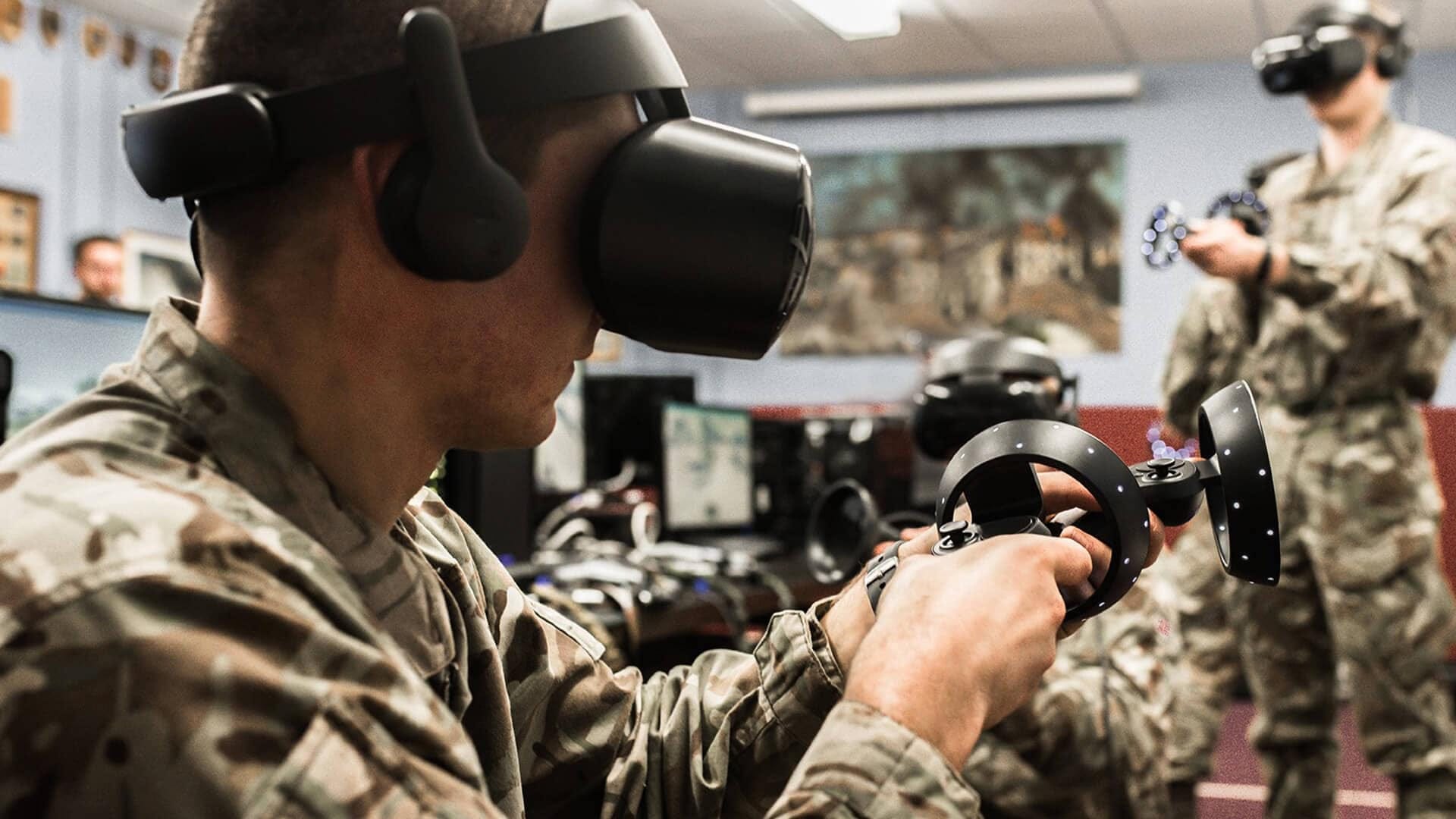
The future is already here — it’s just not very evenly distributed.
-William Gibson
I first played METAL GEAR SOLID 2: SONS OF LIBERTY before the age of 10, I’m not quite old enough to have played it on first release… but it was amongst the first games I got when I was old enough to get a then relatively new PlayStation 2… I was not ready.
The raw madness of MGS2 has to be experienced to be believed. At one moment a shockingly technical dive into military subjects and matters pulled right from WhitePapers and headlines, conspiracy fodder that makes even Alex Jones’ most prescient predictions feel like child’s play, deep dives into theoretical concepts and sociology that wouldn’t be widely understood or relevant for 15 year, and bizarre psychedelic anime Nightmares of Ninjas, Prettyboys, Vampires, Mad-bombers on Rollerblades, and even more horrifying sexual politics…
It’s a franchise that explicitly signposts itself as a fantastical horror story running off dream logic, complete with monsters and psychic mysteries… Only to change genres entirely to become an entirely different horror story, then change again, then again… only for the new more grounded realities to be more disturbing… Only to turn back without breaking the new reality… Only for the most fantastical and absurd details to have been entirely relevant, grounded, and predictive of the new nightmare you were yourself stepping into, if only you had exercised sufficient judgement before making the leap in a shellshocked haze of your own disbelief.
A story that can be simultaneously a Cyberthriller that anticipates the Snowden revelations, a commentary on media radicalization, desensitization, and conditioning, a exaggerated hypothetical take on Red Cell the Rogue OPFOR Special Forces penetration testers, and Nosferatu.
By the end the fact that Kojima had introduced me to the idea of Political Memes (from Dawkins’ The Selfish Gene) as a core geostrategic consideration 10+ years before 4chan and gamergate became political events, and Algorithmic AI censorship of such memes and information as the ultimate subtle system of conspiratorial totalitarian control… In a game that released in 2001! That was a minor side consideration compared to the completeness of the vision, and the raw prophesy of the next 25 years he laid out in that work.
It’s the game that was made from 1998 to 2001 unwittingly predicting 9/11, then had to censor out the Twin Towers collapsing in a terrorism attack in it’s finale for its release in November of 2001.
.
But there’s more to it than that.
A wise commentator once said that as stories get further away from the present the safer their political themes get. That you can say pretty-much whatever you want about the far future or ancient past, or fantasy worlds, With almost perfect safety. You have to really try to make a story on a fantasy planet politically intolerable. But that the closer to the present a sci-fi story gets the more one risks, both from political sensitivity (which is interesting, but might not get you published)… but also from simply betraying yourself as an idiot who doesn’t understand the subjects you’re discussing.
Nothing reveals naivety, incompetence, delusion, and dilettantism quite like a series of short term predictions. Genuinely Intelligent world-class subject matter experts regularly get even very short-term predictions embarrassingly wrong in ways that reveal their character in addition to their intelligence… The great ones can laugh and acknowledge the mistake with humility and commentate intelligently on the unexpected turns… Most however dissemble and try to twist the matter.
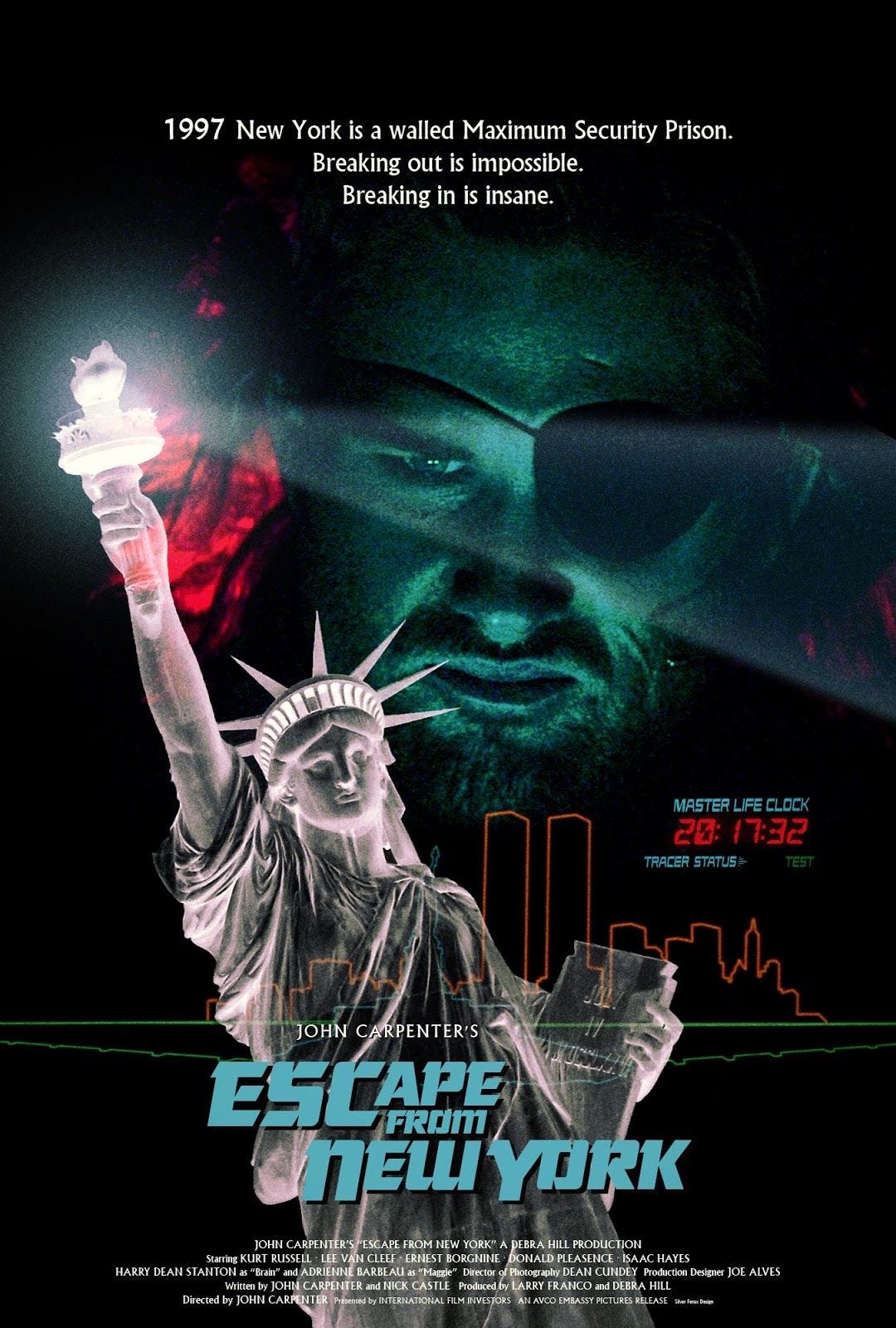
For this reason Fiction writers try to avoid near future predictions… Cyberpunk is one of the highest risk genres for storytelling given the genre is set mere decades from the present. With classics of the Genre hoping that their predictions will age into cheesy but fun archaic hypotheticals, like Escape from New York’s 1997, 16 years in the future from the release date of 1981, in which WW3 is ongoing and New York City has been walled off as an abandoned prison colony.
Kojima however places his future stories INSANELY close in time to his games’ release dates. 1998’s Metal Gear Solid was set in 2005.
2001’s Metal Gear Solid 2: The Sons of Liberty was set in 2007 and 2009.
His stories are almost instantly dated, their scifi futures almost immediately in the past, and science fiction technologies and possibilities almost immediately shown to have not come to pass… Except they do come to pass.
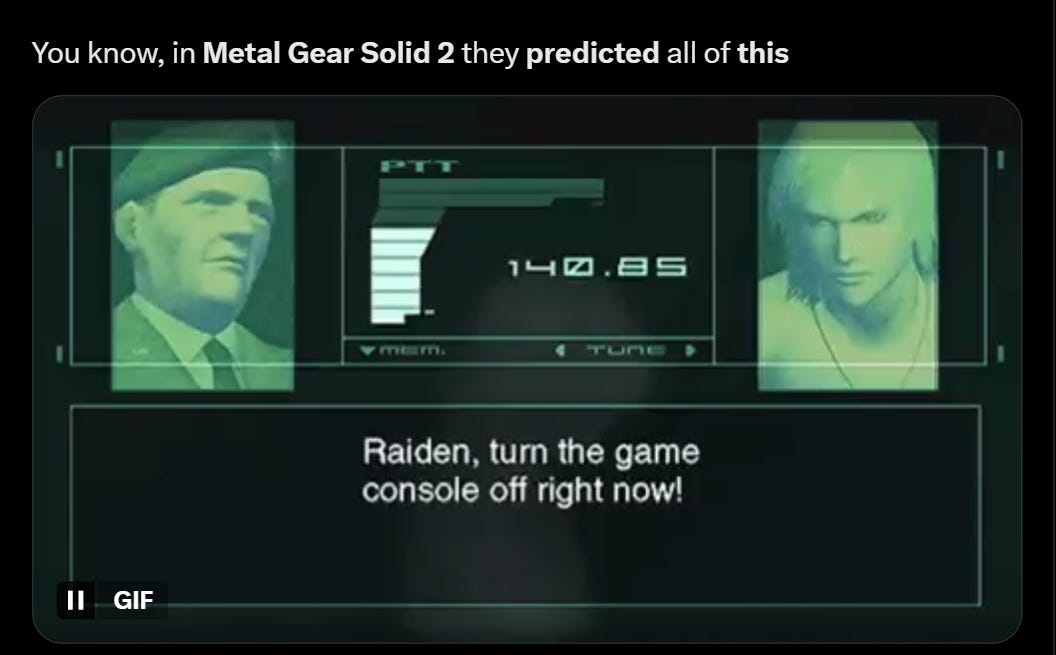
Like Nostradamus the things Hideo Kojima “predicts” which do NOT come to pass are countless… Giant Native Americans with man-portable Vulcan Cannons, Nuclear Capable bi-pedal robots, Rogue American Presidents dual-wielding Katanas and FN P90s… Yet for every cool/ridiculous Anime absurdity, Kojima predicts something so terrifyingly exactly it makes you question your own sanity when it happens.
And not just the collapse of the Twin Towers.
.
To present a short incomplete list of Kojima’s predictions that somehow came true…
—Genetically Engineered “Vaccinations”: the MRNA Covid Vaccine vs. FoxDie and the Genome Soldier Program of MGS1
—NGO Illegal/Grey Market Leaker Organizations: Julian Assange and Seth Rich of Wikileaks vs. Otacon and Solid Snake of “Philanthropy” of MGS2
—Algorithmic AI internet Censorship Programs such as those of Youtube, Twitter, and Facebook Vs. the GW Kernel of MGS2
—Terrorists on Rollerblades employing IEDs and Small Arms like MGS2’s FatMan or the Modern Taliban
—The United Healthcare Assassin’s Escape over the George Washington Bridge in New York City mirrored the opening of MGS2 when Solid Snake Inserts into the mission by leaping from the George Washington Bridge…
Indeed I’ve written Extensively on the “Tactical Espionage Operation” Angles of the United HealthCare Assassination
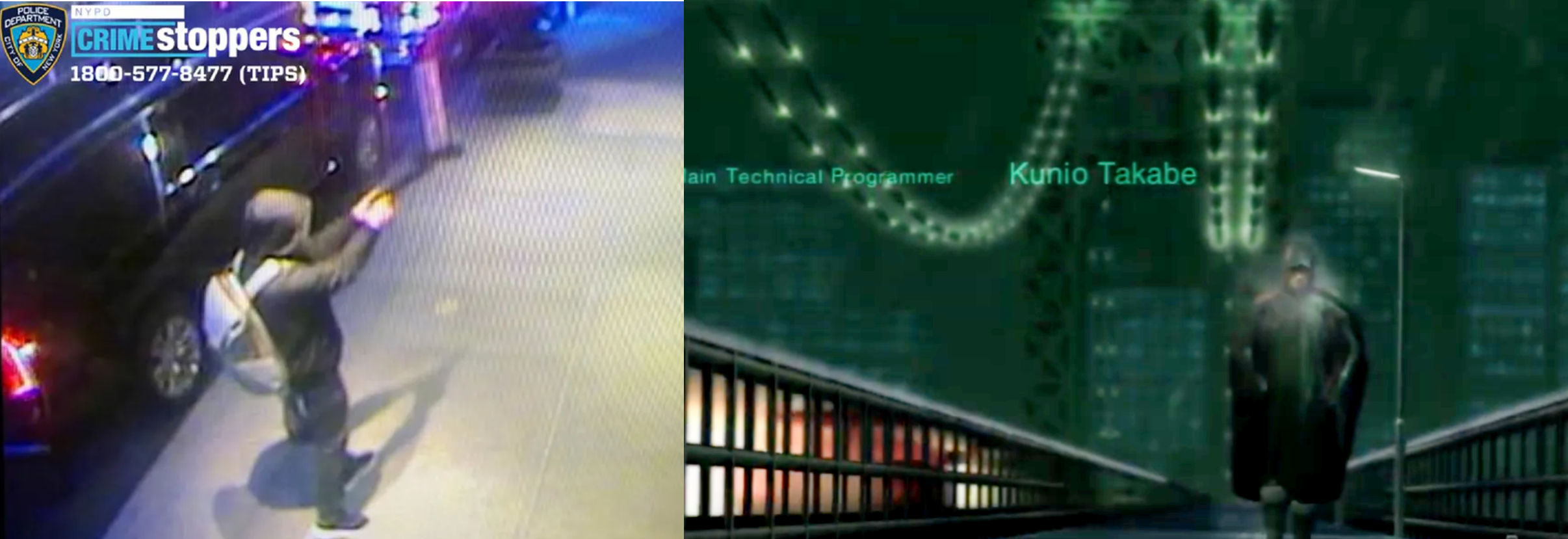
—AI Personalities impersonating real people to the point you can no longer tell when you are and aren’t talking to a real person or digital impersonations
To just name a few.
And then you get to maybe his most immediately pressing prediction….
.
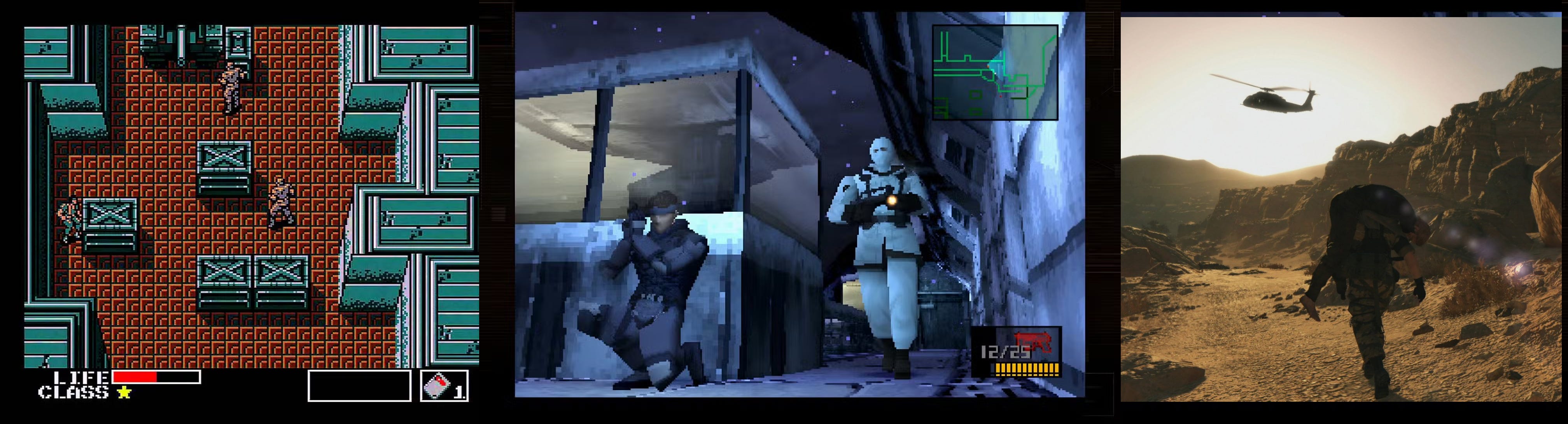
Part 3: A One Man Infiltration Mission: Archaic Design, Future Soldier
Campbell: As usual this is a one man infiltration mission.
Snake: Weapons and Equipment OSP? (On Site Procurement)
Campbell: Yes. As usual this is a top secret black-op. Don’t expect any official support.
Metal Gear is an OLD video game franchise… While most people discuss it in terms of 1998’s Metal Gear Solid and it’s sequels, the franchise dates back to the original 1987 game Metal Gear.
Whilst the 1987 original and it’s early 90s Sequels, aren’t really relevant narratively, most fans never play them… They are important to understand the evolution of the franchise… The series is almost as old as the Mario Franchise. Kojima was harvesting idea from Rambo and Kurt Russel movies whilst those were still new, and videogames as a medium were still in the very earliest of infancy.
The very ideas of stealth games and “tactical games” and “realistic military games” were not even genres when Metal Gear codified the broad concepts of it’s core gameplay mechanics 5 years before even Doom or Wolfenstein 3D had invented the first person shooter. Sure later entries in the series would slowly and eventually assimilate towards modern action shooters’ standardized controls and sensibilities… but the Classic 3 Metal Gear Solid games 1, 2 Sons of Liberty, and 3 Snake Eater all are still adapted out of the top down stealth game mechanics of the old 8 and 16 bit Metal Gear games from the 1980s, with north always at the top of the screen.

This is fascinatingly weird.
It’s an entirely parallel evolution to the question how to represent and simulate warfare and special operations in an interesting manner.

Sort-of like how both a Deer and a Kangaroo basically fill the same ecological niche: both are large herbivores that outrun predators, both can travel alone or in larger herds, both are challenging yet tasty enough to hunt and eat for a hobbyist sportsman… But they evolved entirely separately in entirely different environments with different physiologies, evolutionary pathways, and basic behaviors of locomotion.
Likewise the Metal Gear Solid franchise has entirely different mechanisms, gameplay loops, challenges, tempos, tones, narrative assumptions, and understandings and visions of what it means to be a soldier… Or rather a Gamer trying to imagine a realistic soldier in warfare. Or a soldier taking on the role of gamer in a simulation of realistic warfare… Or a gamer taking on the role of soldier taking on the role of gamer, taking on the role of a soldier, who is a gamer, who is a….
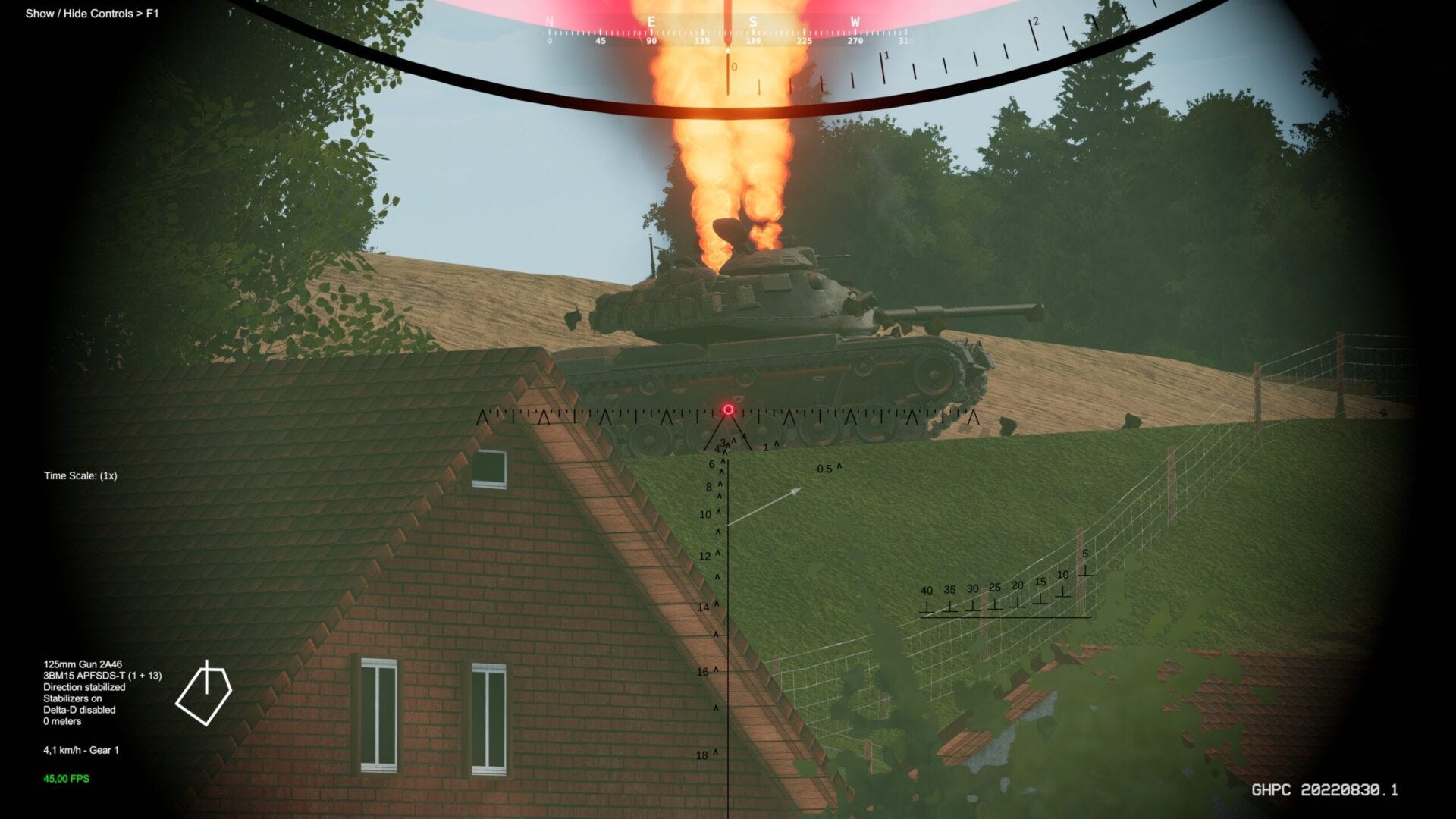
By way of analogy, Tank simulators from the Ultra-realistic Skeuomorphic mechanical simulations that are often used by actual Armor units for training, to more arcadey ones your cousin might play are an advanced genre that’s fully developed. Vehicle speeds, Turret panning speeds, sighting mechanisms, controls, optical devices, penetration physics… All are loving recreated with endless debates (and not a few actual classified leaks) over accurately recreating some advantage or disadvantage of some model of tank or how they behave in the brief seconds of combat.
But what if an entirely different type of tank simulator had been invented?
Instead of precisely lining up a gunner turret or maneuvering ever so carefully into the perfect concealed position to command an approach with no dead ground to hide the enemy… What if instead a game series simulated the “Road Trip” and Maneuver of tank warfare? Not 1-2 hour engagements, but days, weeks and months long campaigns navigating your tank platoon around enemy positions and civilians chaotical fleeing a warzone and completing often boring objectives that align with allied units, but which compound and create fiction as tanks lose treads and need to be repaired or recovered, injuries add up, tactical complications mount, bailed-out crews need to be rescued, and the operational situation changes with implications that you have to decide in a changing strategic picture with imperfect information? Half Oregon Trial, Half Mount and Blade, half survival horror?
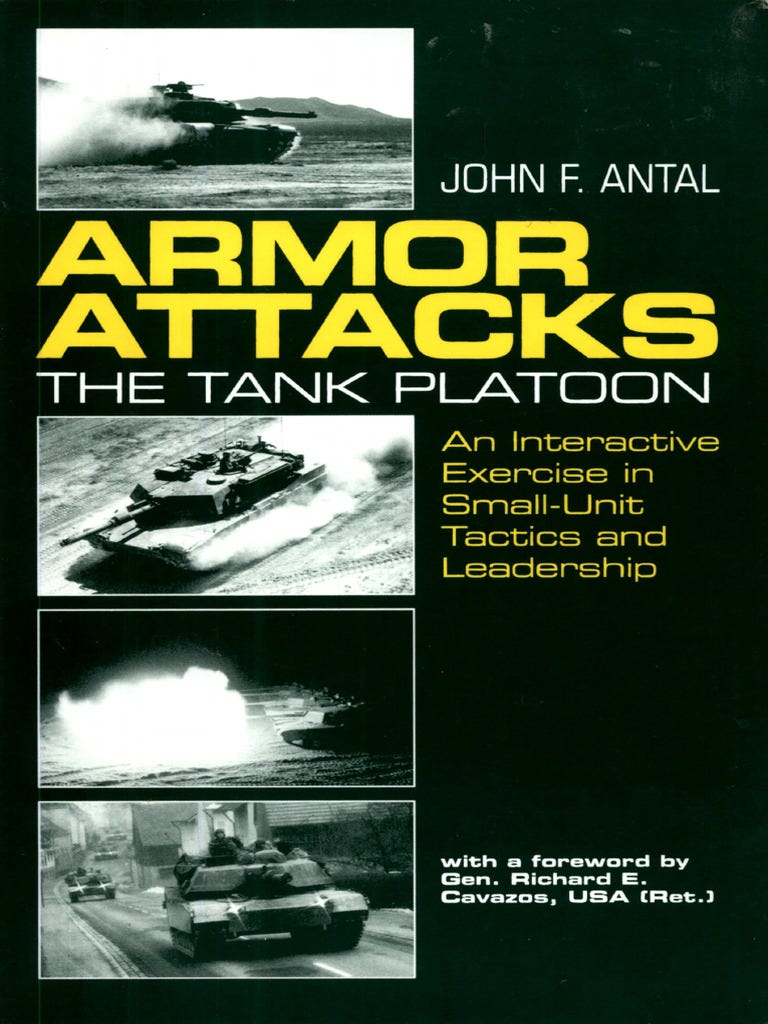
Yes I am Describing Colonel J. F. Antal’s Armor Attacks: The Tank Platoon and others in his Interactive Exercise series of choose your own adventure books meant to train/introduce junior leaders… However similar concepts have been turned into games, submarine games like Silent Hunter 3 for example have a lot this structure.
Kojima’s vision is sortof like that for the infantryman/special operator, but vastly utterly stranger. What Metal Gear Solid did is it followed a completely bizarre developmental pathway that ONLY makes sense from the perspective of it’s having started in the 8-bit era of the Original Super Mario Bros.
In evolutionary terms, even when the original 1998 Metal Gear Solid was released and cutting edge in most respect, its core loop was a weird megalithic prehistoric dinosaur from the Cambrian period of game design. Less like a Deer to a Kangaroo and more Like finding some ancient whale sized cephalopod that had somehow persisted down millions of years into the present.

Video Games are power fantasies… The fun of them comes from artificially being put in a position in which you can do something very well or with a level of power and authority that you’d otherwise be unable to do. No one in the world might trust you with command of a billion dollar submarine or million dollar race car, that you’d crash it immediately… but play Silent Hunter 3 and you can crash it over and over until you get locally good and become a uboat ace sinking hundreds of thousands of tons of allied cargo.
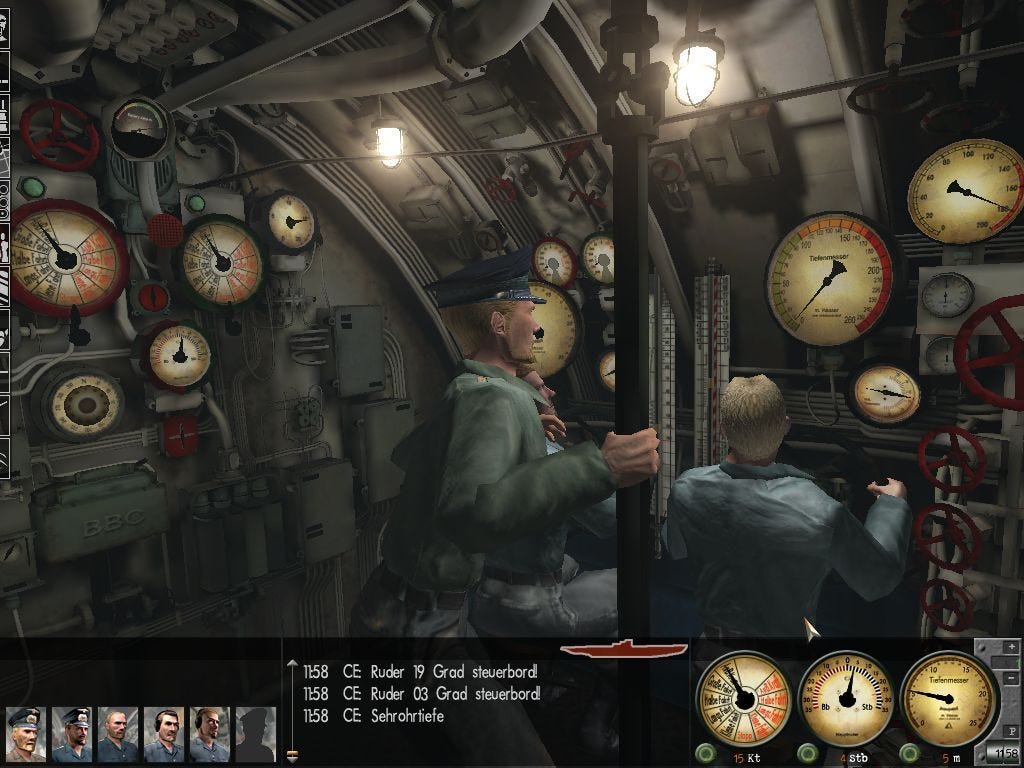
Shooter games place the player in a position where they can outgun hundreds of enemies easily… Most later stealth games place you in the position of some perfect ghost who played well can evade all enemies in some power fantasy manner…
Metal Gear Solid on the other hand is weirdly frustrating… Every single one of its first three PlayStation and PlayStation 2 entries is awkward in a way most gamers complain about and actively have to wrestle against… You can get good at them, but even the act of Aiming you gun even late in the series is a bizarre difficulty often requiring you to hold down 2 or 3 buttons to shoot precisely, and it is almost impossible to do well in the panic of combat.
I can confidently say, as someone with vanishingly little marksmanship skill, that I am a VASTLY better shooter in real life on a real range than I am in Metal Gear Solid.
Every mechanic is like this. Every aspect of the game awkward or strange… Metal Gear Solid 3 was re-released with an entirely different camera system because without the radar of the previous games many found it simply impossible to SEE the enemies before the enemies saw them in the jungle. (which was plainly intentional, a lot of the dialogue focuses on going slow, picking out enemies, visualizing space, and dealing with short range encounters in dense jungle, which the camera creates the dynamic of… but which plebian players found deeply frustrating)
Likewise the “One Man Sneaking Mission” with all weapons “OSP, On Site Procurement”, is entirely an artifact of the early game design where programing friendly AI was hard, and you had to unlock new weapons one at at time. The “ID-Locked firearms” of the series with biometric locking permissions are not because Hideo Kojima was commentating on Gun-Control, the surveillance state turning free men into slaves, and bizarre California proposals (though he later would in Metal Gear Solid 4) but because in older video games the memory limits wouldn’t allow for many items you could pickup, and thus he needed to explain why you couldn’t just grab a fallen enemy’s weapon.
No military in the world sends in lone special forces soldiers alone against an entire base or regiment of enemies. They certainly don’t send you in unarmed. And No soldier in such a position would shrink from picking up the very first firearm an enemy dropped… The very setup is absurd, and yet that absurdity allows a lot of specific and unique problem solving to be explored. Suddenly unique challenges that might occur once every 2-6 months in an actual military campaign or cumulative strange experiences that might occur in a memoir across decades of a very storied career… Suddenly all of those can happen in rapid succession across 10-20 hours.
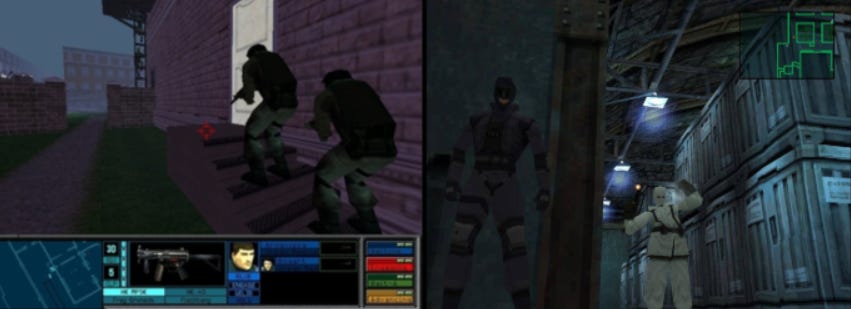
By 1998 with METAL GEAR SOLID 1 all of this had already been solved. First person shooters had weapons you could pick up off enemies. And tactical shooters had teammates you could order around and YOLO into the Fatal Funnel. You didn’t have to go it alone as an unrealistic one man unit.
But Kojima had developed his strange and archaic game design not in the 90s, but the 80s… and continued to develop on those original gameplay loops to absurd levels over the following iterations.
.
You see the Metal Gear Solid games had a completely different philosophy, like many early videogames the goal isn’t so much to simulate something satisfyingly and repeatedly… but to simulate new things that might never have been simulated in any game ever before, and to stack those novel unexpected experiences in a way that creates a new type of simulated experience… the way people in the 80s and early 90s talked about “virtual worlds”. That sense of wonder and possibility you find in early games continues in MGS.
The Games have dozens, sometimes hundreds of devices with very unique applications, that you’d almost never see in other games.
Handguns, Rifles, Sniper Rifles, Rocket Launchers, sure… but also Parabolic Microphones, Mine Detectors, Disguises, Smoke Grenades, Chaff Grenades (yes man portable chaff), rope, gasmasks, ketchup bottles (which you use to feign a medical emergency while imprisoned… if you think of that…), Mousetraps, cartoonish crocodile caps…
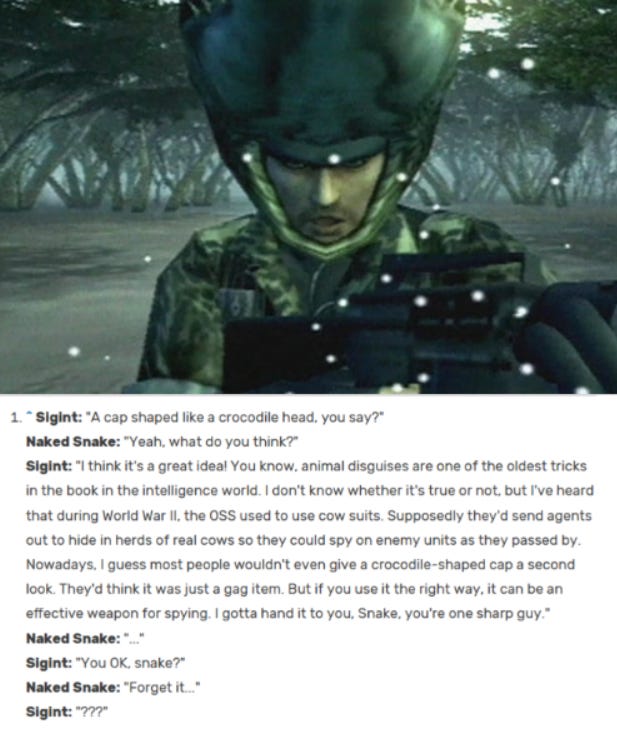
And none of these items really control well. The guns are less satisfying than other games and vastly harder to use, all the items are janky.
Yet they’re all multipurpose and useful, and interact with the environments in ways no other game has ever simulated, in weird ways no one has ever thought to make these things interact…
But this is weirdly MORE accurate to modern warfare, where all the various odd weapon systems and tools soldiers use are largely themselves awkward bizarre minigames and challenges. Where remote controlling a drone or Robot logistical cart, or using armored backhoes to dig a trench… bears little relation in terms of skills to everything else on the battlefield, yet all the complications and dangers of the rest of the battlefield are impacting your ability to do it.
Tracking down a person of interest by listening for their pace-maker in a crowd with a parabolic directional microphone you have to conceal… is not the type of thing you’d ever do in any other video game, but is exactly the kind of finicky bizarre thing you do find in real life espionage memoirs.
A lot of Kojima’s world is goofy ridiculous bullshit, but a lot of war, and espionage especially, is itself goofy ridiculous bullshit… Often disturbingly the most effective being the most goofy (The raw number of raids and assassinations that have been enabled by various special operators wearing drag… ask the Mossad).
This bizarre maximalist view of Espionage and Tactical warfare, in which Kojima tries to force in every dinky aspect of EVERYTHING military and espionage, or every oddity he’s found in a historical book… creates its own unique experience for players first encountering his games… They’re encouraged to improvise and test things out, many different options work…. And also many different things will trip them up.

The best way to get past lasers sensors in one game might be to see them with Infrared Goggles… but they can also be seen by using cigarettes and the related smoke, or by shooting a nearby fire extinguisher or bag of flour to release particulate, or by simply going around the other way. A player who explores outside in a storm will have their character catch a cold and sneeze at inopportune times when mere meters from a guard on patrol they’re hiding from, they have to think to use the (until then useless) cold medication they found hours before. In one instance hiding in EXACTLY ONE SPOT on a ship by pressing up against a wall will cause a rusted pipe to fall causing all surrounding guards to check on the sound (who can be hidden from if you think fast)… Nowhere else in any of the other games does any such pipe occur and nothing warns the player aside from some coloring that it is rusted and will fall. In one game an entire enemy outpost can be infiltrated, their food stores and armories raided, TNT taken to blow up the armory, the food stores, and a parked helicopter nearby that guards in that area will be low on armaments and starving for the rest of the playthrough, and that the helicopter will not be able to search for you later… Or the entire outpost can by bypassed by crawling around the outside through the grass. Several of these mechanics only occur that one time.
Yes many subsequent games would imitate this design, but this was 2004!
In Snake Eater the player must alter and manage their camouflage, hunt their own food, and perform first aid and field surgeries on themselves to recover from injuries… You can get hit with leaches while swimming and you’ll lose stamina until you notice the parasites (which might take a while). And using tranquilizers you can capture live animals like venomous Snakes, and then release them by throwing them into a room with an enemy as a distraction.
These mechanics layer in unexpected ways along with the pre-scripted story, such that for the first SEVERAL playthroughs you actually have to use your brain and treat the world as if it’s real, not just a bunch of systems you’re abusing… you have no way to know you’ll catch a cold out in the rain, or get leaches on you swimming through the swamp… all of these have to be judged as you’d judge real life and interacted with as you’d interact with real places. And catch via keen observation of what happens (you might not clue in the random sneezes will alert guards, until it happens, at which point you’ve seen your character sneeze 5 times without really noticing, the same way you might disregard your own sniffles). You can get hit by hornets nest and poisonous snakes, however you can also wield both of these against enemy guards if you’re creative.
You can hide yourself in a shipping box inside a truck, and then get transported to the other side of the base if you use it right.
MUCH of this is unrealistic and cartoony in many ways… and yet in other ways its weirdly more realistic, and it certainly forces you to THINK in a tactical survival espionage frame. And this is where Kojima is weirdly inspired.
In Metal Gear Solid 1, 2, and 3… There are no levels. Even most Games that pride themselves on their realism to this day, still have plainly distinctive levels. Sometimes they call them missions, or scenarios, but they fill the same role as levels in previous games. Bite sized chucks of an hour or two of one setting or another that break-off or end so another bite sized chuck can begin, and give the game time to load. Now sure the Metal Gear Solid games have loading screens but aside from that… Each one is continuous.
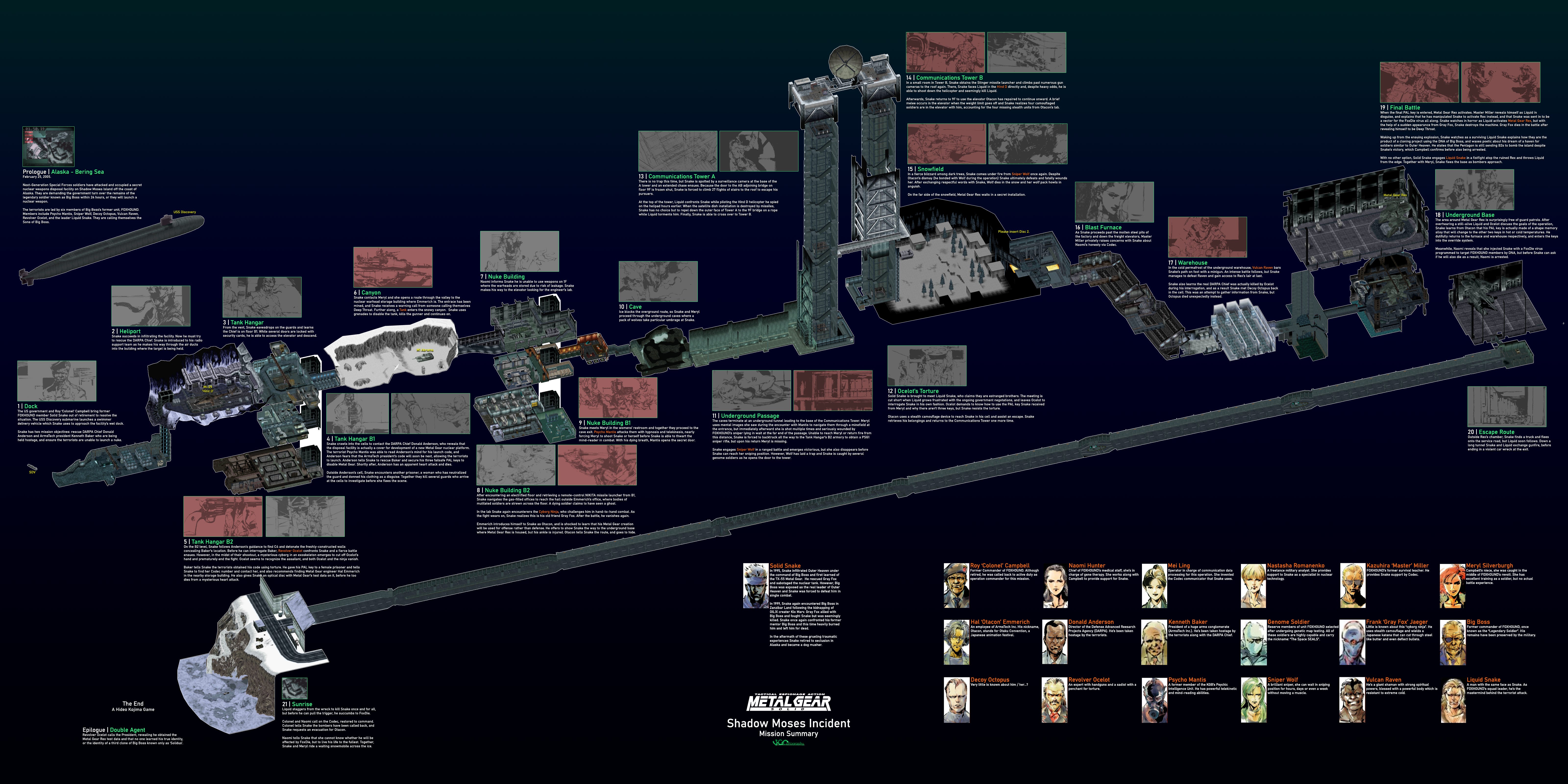
The Original Metal Gear Solid is ONE MISSION, from initial infiltration to daring escape… It’s all happening alone on the edge of the world on the same secret military base in Alaska. Metal Gear Solid 2 is TWO Missions, that take place in the same location and continuing the same story and characters. Metal Gear Solid 3 is back to one mission, with a prologue that takes place in the same location with the same characters.
(sadly the later games would break this format and homogenize with the rest of triple-A gaming)
That’s 15-40 hours (depending on how quickly you play) and probably weeks of your life… Where all the decisions, all the revelations, all the overlapping motivations and scheming, all the changes to the location, all your survival decisions and those of the plot, everything you found, or missed… All of its adding up unbroken. If you use up all three of a rare item on hour 3 of a playthrough, you’re going the rest of the game without them. If you miss a core gadget or item like the Thermal Goggles early in the game… You’re going to have to solve the rest of your problems in the dark. If you’re overzealous with the mine detector or heart beat sensor and drain the batteries… It might be 8 hours until you find more batteries… if you find more batteries.
That 15-40 hour long mission, actually lines up way closer with the length of a lot of ACTUAL real life insertion missions and limited operations, and the complications, interactions with various factions, motivations and logistical hurdles that are allowed to add up and compound in that time is far closer to stories of real life special forces missions that have complications or go wrong, or need to adapt on the fly to some new turn of events than basically any other game out there.
Many challenge runners will actively bypass difficult challenges of gameplay (that might cause them to get caught or die) by deciding NOT to get some of the most important items in the game, that they’d rather muddle through improvising solutions to problems than risk their neck (and having to go back and restart the run) just because they want thermals, or a mine detector, or the good rifle.
That’s relatively rare for a videogame… but it’s unheard of in military games (which tend to focus on quick action segments), and it is extraordinary the mechanics that can be buried in this scarcity.
Thus in-spite of the absurdity of the “One man sneaking mission” with “all weapons procure on site”… The games simulate a SERE (Survival Escape Resistance and Evasion) mindset, a special operations “ask why” mindset, and a lot of the intangible lessons instructors try to communicate in a way that even most dedicated tactical survival games really don’t because their focus on “realism” and action gameplay limits the room for real creativity.
Kojima makes you backtrack and sneak around and get frustrated, or bored, or exasperated at tasks in a way that’s very true to life, and which other game developers would flinch at the idea of ever upsetting their players that way.
The raw CONTINUITY of the Metal Gear Solid games creates a venue for exploring ideas of sustainment, individual logistics, tactical problem solving, battlefield creativity, setbacks, recovery, and the edge cases of espionage and individual tactical skills that would not exist in other games for decades afterwards…. While Kojima’s script and ambition aggressively pushing new complications and themes, and types and sub-specialization of warfare to the front.
It creates a vision of what a soldier IS and what exactly it is they’re navigating and what it means to fight that is utterly unique both in games but also in fiction more widely and even real life doctrine.
It is vastly more than the sum of its parts and the parts that are weird or janky or unrealistic are amongst the most important for forcing that improvisation and adaptation and tactical decision making.
In the exact same way that Chess is not accurate simulation of the maneuver warfare capabilities of castles, cavalry, clergymen, or your wife… but is an amazing teaching tool for the fundamentals of strategy… The Metal Gear solid games are not “realistic” simulations of modern special operations, but they are wonderful tools for teaching concepts.
.
And disturbingly rather than the games becoming more realistic and coming to resemble reality, reality has come to resemble the games.
Part 4: Warfare is the Continuation of Kojima By Other Means
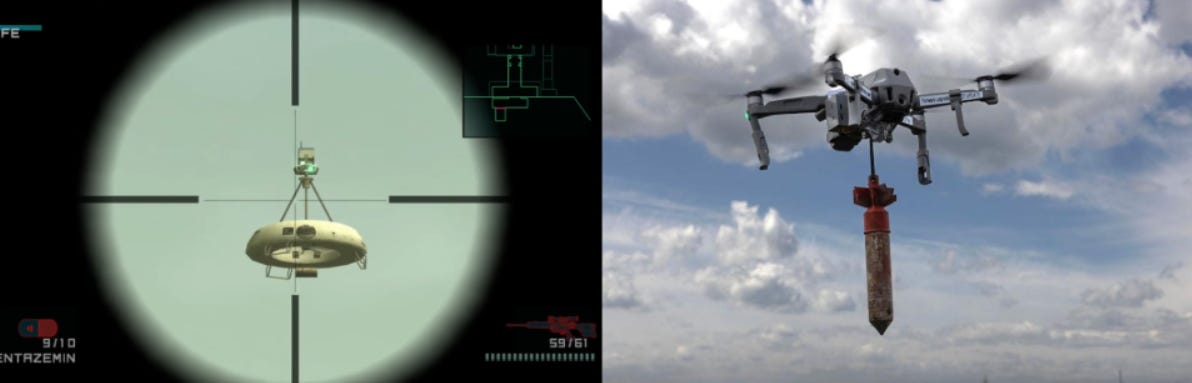
Hideo Kojima Holds the distinction of having predicted the FPV Drone revolution, not once but twice.
In Metal Gear Solid 2 Hideo Kojima picked out maybe one of the most obscure failed spy technologies the Sikorsky Cypher… A UAV from 1987 that had only two prototypes ever made…
And then he included them as enemies in his game from 2001.
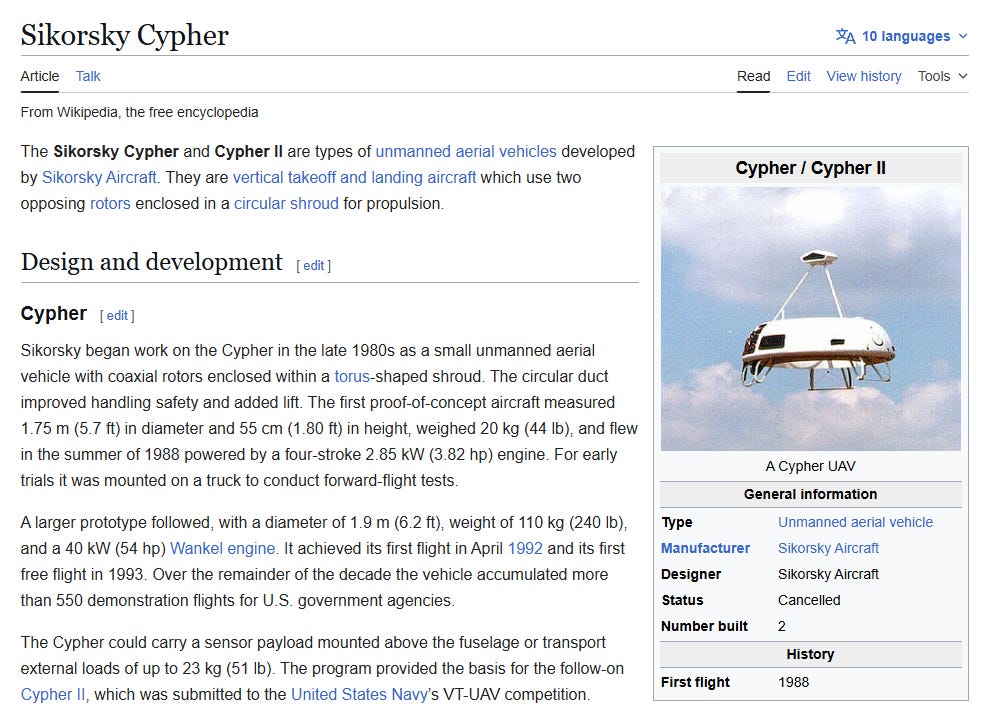
That’s right. The US anticipated the small drone revolution that ISIS and other non-state actors would exploit in the 2010s and would define the Ukraine war in the 2020s… In the 1980s!
And then they cancelled the program and were caught off guard by Sunni-militias employing consumer technology in 2015.
But Kojima saw this technology, wanted a scifi robotic enemy to mix things up…. And derived a shocking amount of quadcopter drone warfare from first principle 15 years before ISIS ever had the idea of Using Chinese DJI devices in combat.
The threat of the drones in Metal Gear Solid 2 is not that they’ll attack you, but that they’ll spot you and alert other assets. Some of the Cyphers have guns on them (Kamikaze drones not being a twinkle the Nagorno-Karabakh yet)… but the real threat is that one of them spotting you will bring down tactical teams of people and multiple other drones.
This primary threat of the drone: that of the Drone as a spotter in a kill-chain, is one that’s incredibly difficult to communicate in basically any other system of gameplay… It only works in a stealth game where slow deliberate tactical maneuvers are the point, and the threat isn’t any particular enemy, but that they’ll alert a wider ecosystem of tactical teams and other assets to draw them on your position.
But even in other stealth games like Splinter Cell or Hitman, the sudden introduction of new non-human entities might break the gameplay… but the entire point of Metal Gear Solid, the entire Kojima vision, the fact it’s a “Realistic” (LOL) Tactical Action game… That still has boss battles with increasingly weird Bee-Men, Vampires, Floating Psychic-Wizards, Cyborg Ninjas, Cowboy Gunslingers, 160 year old Super-Snipers from the US Civil War, and Giant Fighting Robots…
That very weirdness and fantastical unreality, the fact that it’s about using real life espionage and military tools and your own tactical thinking to overcome increasingly impossible and ridiculous unexpected threats… allows it to create novel tactical puzzles and problems in which it CAN predict future battlefield situations.
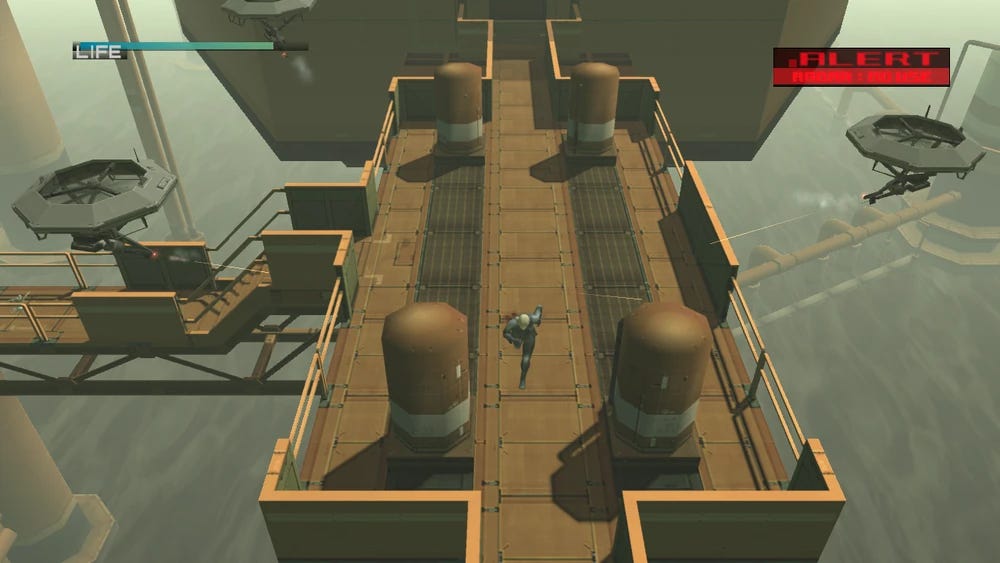
Thus, IN 2001! Gamers were reasoning through the tactical value and danger of vertical hovering spotter UAVs, their superior optics as unique threats, their ability to draw in other killer drones and assets to your position, and their RECORDING of the battlefield as a PROPAGANDA THREAT at the strategic level outside the operation.
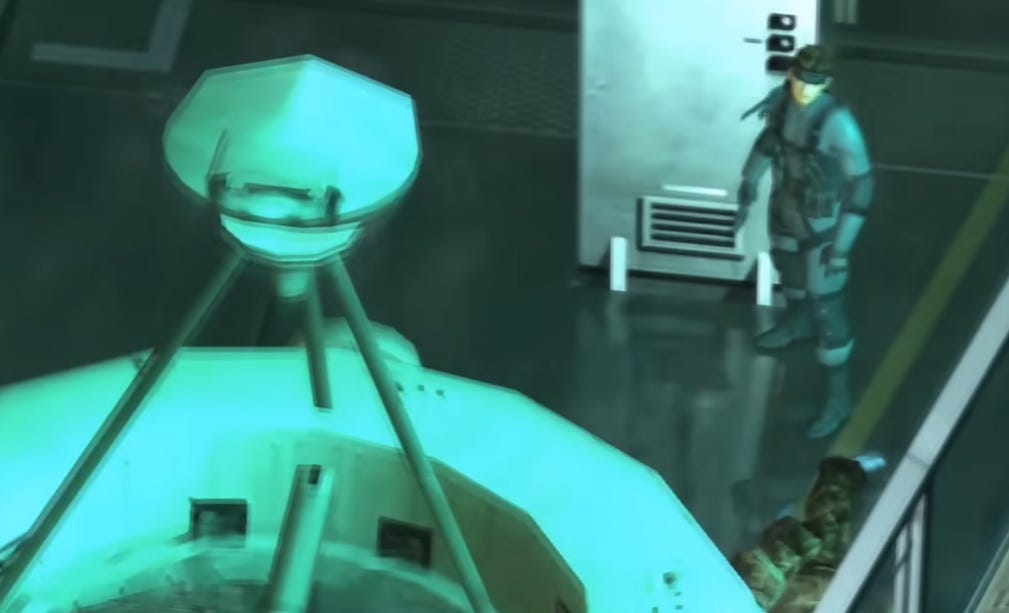
The most important thing One of these Cypher-UAVs does in Metal Gear Solid 2 isn’t alerting any enemy… It’s taking a recording WHICH DOES NOT EFFECT THE GAMEPLAY OR TACTICAL OPERATION AT ALL… But results in a catastrophic mission failure at the Strategic level in the plot of the game, because of the use of that recording within media and narrative manipulation to assign blame, imply guilt, cover the actions of other actors, and create and manipulate the motivations of all the subsequent actions in the story of the game.
Classic 5th Generation Warfare.
This is the obvious example… but Again Kojima predicted small UAV Drone-Warfare TWICE, the first time he predicted it was with the “NIKITA Missile Launcher” a fictional weapon system that had ZERO real world analog (Its name derives from the Luc Besson film La Femme Nikita a Kojima favorite)… but functions within the game and the flavor text functions EXACTLY how Quadcopter FPV Kamikaze Drones work today.
Uncannily so: Right down to being disabled and blocked by signal jamming.
This was almost certainly an accident of Kojima wanting to include a guided-missile puzzle sequence, but not being able to justify it with how actual anti-tank missiles work (which can’t make multiply 90 degree turns, nor maneuver at all in the confined space of a Metal Gear Solid Game map) so he just made up a system:
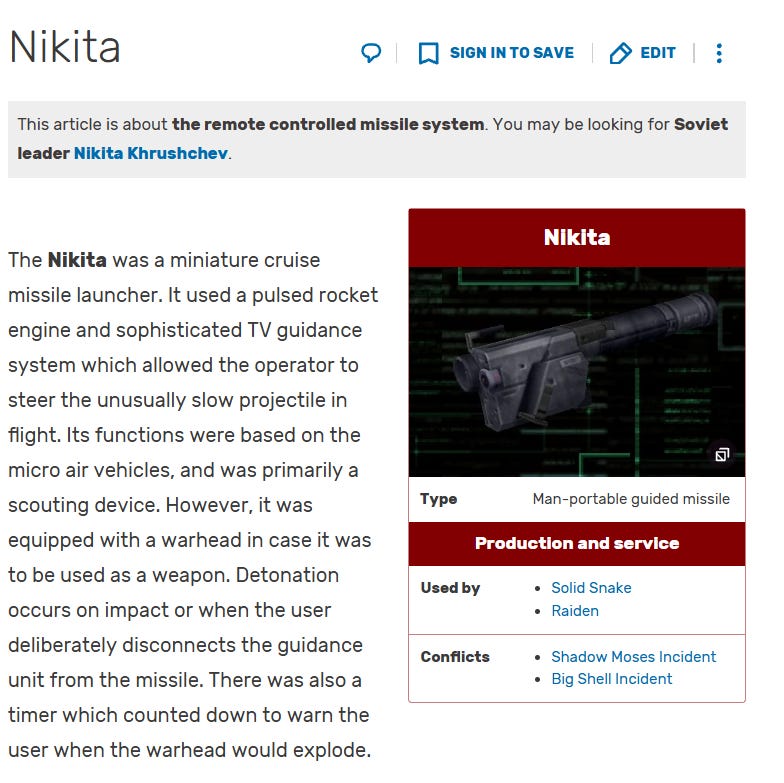
“And was primarily a scouting device”. Again Kojima’s mind just thinks in the counter-intuitive way actual warfare invariably operates. The Exact same way Quadcopter Drones would function first and foremost for intelligence gathering and artillery spotters, Kojima predicts that his hilarious video-gamey “Unusually slow” “Miniature cruise missile”, if it actually existed, would be used exactly how drones moving at the same pace, with the exact same sized warhead, were actually used.

But the truly fascinating thing is what happens when when we combine everything Kojima predicted.
How the totality of his vision predicted the modern soldier.
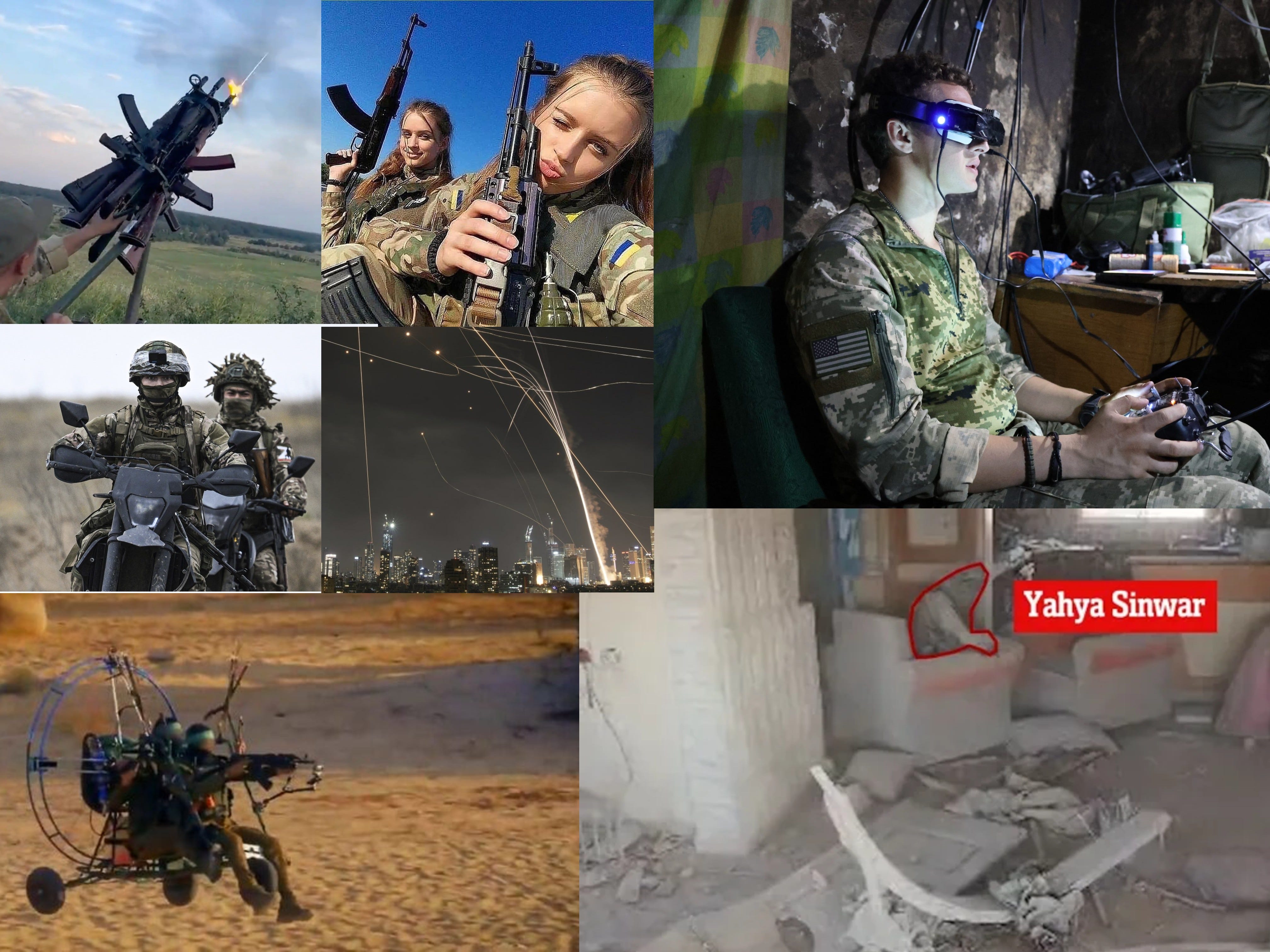
Part 5: We’re All FoxHound Now: Life is Tactical Espionage Action
The uncanny similarity between the narratives, larger than life personalities, elaborate backstories, and even “rule of cool” use of bizarre sports equipment, unique tools, and improvised heavy weapons that you see across Metal Gear Solid games…
This “Could” be chocked up to Kojima’s Japanese narrative instincts, which resembles less the post-Christian moralizing reification of Hobbits, Moral Sacrifice, and Survival (think of all the plotless stories about ordinary people caught up in things larger than themselves, heroes as ordinary people who do “what’s right”)… Than it resembles pre-Christian or early Christian classical-heroic tales of great men seeking revenge, being deceived, enduring recurring hardship… The centrality of romance, or betrayed romance, or unconsummated romance to the Metal Gear Solid series resembles nothing in western stories, but does resemble The Odyssey or Le Morte D’Arthur or the Sagas…
That Japan as a martial Shinto religious/narrative culture just represents these aspects of war and life more easily than modern westerners do, just as early Pagan Martial cultures did.
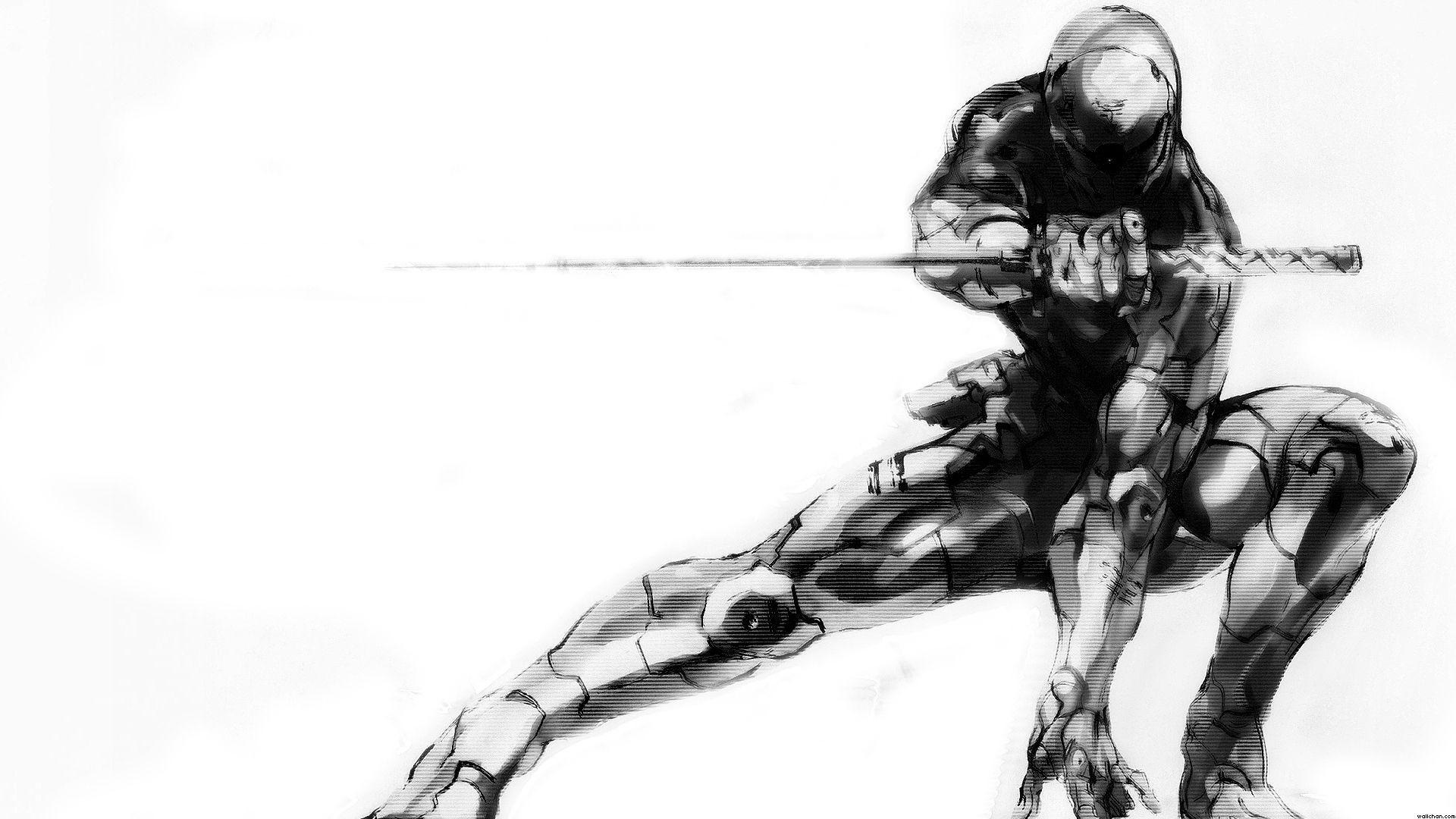
That worlds in which multiple sides have many rivalled unique classical heroes with their own skillsets and romantic motivations is the default for how a Japanese man would imagine modern US special operations (as opposed to “good vs. evil” stories in the west)
.
Likewise maybe Kojima is just the greatest tech nerd on military history matters, and his conception of all the odds and ends of weird military and sports equipment all playing their part was there in tons of different military fictional and non-fictional works and he just drew it out and gamified them. Highlighting the dynamics to absurdity in a way that whilst not entirely realistic, put things in informative contrast.
A skeptic might say that maybe he wasn’t predictive, but just very observant.
.
HOWEVER… I cannot accept as mere coincidence the past decade of warfare.
Sometime around 2020, Kojima’s Metal Gear franchise stopped simply being descriptive or even predictive of individual events, and instead warfare itself started becoming more like Metal Gear Solid.
The things which were UNREALISTIC about Metal Gear Solid, not speculative, actively unrealistic… Video Game conceits and jokes… things which Kojima himself (i think?) never intended to be a vision of the future, have themselves become the future.
.
“One Man Infiltration Missions” are a thing now. And not just in New York for lone assassins and extremists:

The Reality of the vast grey-zone of modern battlefields like Ukraine and ubiquity of drone surveillance has made it that one, two, and three man teams (Yes just like Snake, Otacon, and Meryl… Raiden, Snake, and Otacon… Or Snake and Eva) have gone from something militaries almost never do —favoring 8-12 man fireteams and 40 man platoons— to now being the default because larger elements are easily detected and prime targets for artillery and drones… at which point having wounded will pin you down and you’ll take more casualties from more artillery and drones.
Ukraine has instead taken to dropping off soldiers at insertion points in 1s, 2s, and 3s, and having them sneak from hide site to hide site, position to position all the way up to the frontline engagement point across 3-12 kms of grey-contested land hiding from drones, spotters, snipers, and other threats in the narrow few hour windows of sunup, sundown, and fog rolls.
And the Devil take you if you get lost.
Yes almost the exact same length of distance as “Operation Snake Eater” (whose total game map was 4 kms in width broken up by loading screens).
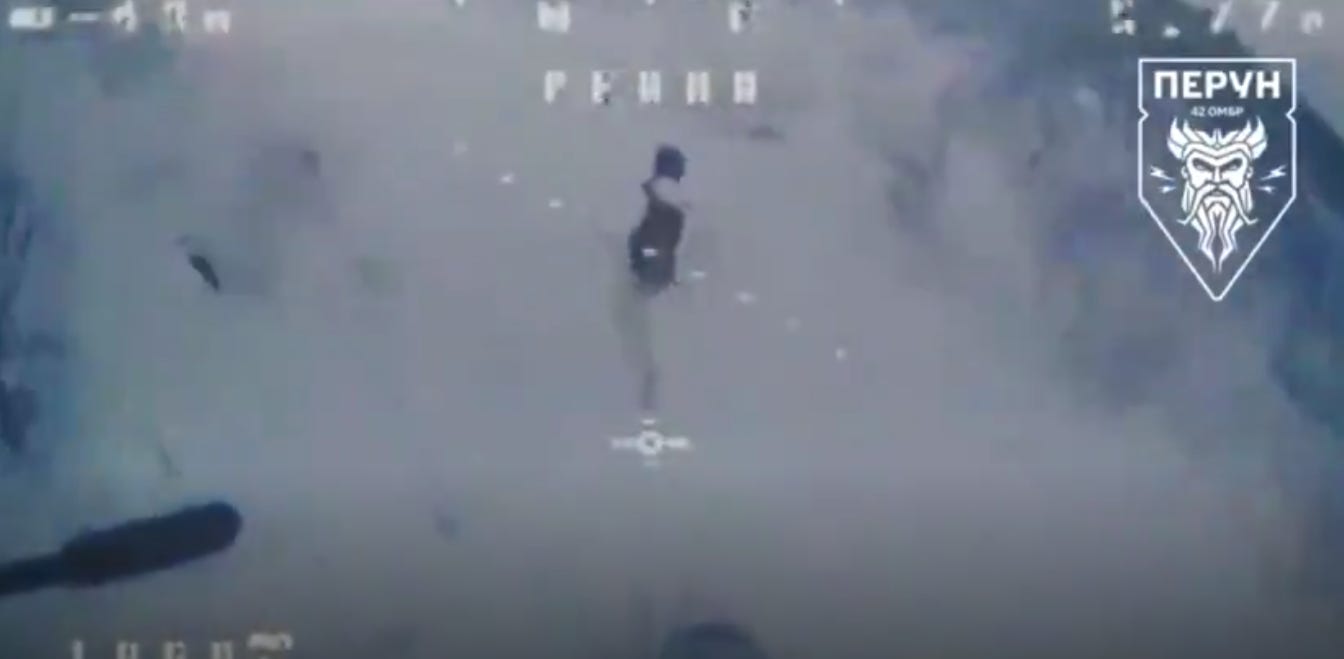
And yes many people are quite literally out there ALONE, by conscious decision or because their partner got killed or lost, as attested by all the heartbreaking drone footage of lone soldiers being killed by dropper drones and FPV kamikazes.
.
If you were at all in contact with military culture I cannot express to you how much of a radical rupture this is from everything that came before.
Throughout the 80s, 90s, 2000s, and 2010s it was a staple of Military training to explicitly call out movies and videogames… And tell impressionable recruits and kids who are looking at military life, in no uncertain terms, that real life infantry isn’t like Rambo or Doom or Call of Duty, that everything in war is done as a team…
“Two is one and one is none. You carry two knifes on you, just like you need two people in the most basic fire position, and at least two such positions to hold it.” Is a common bit of infantry wisdom. “Where’s your battle buddy!?” or some non-Canadian equivalent, has been screamed at many a private.
Indeed the PS2 Game SOCOM: US Navy SEALS even came with a half hour documentary about the Navy SEALS in which more than one interviewee told impressionable young gamers that SEALS isn’t like a video game, everything’s done as a team (unaware the game that the doc would launch with was actually a TACTICAL TEAM based shooter).
.
That’s out the window now… Or rather the very nature of the Teams have changed.
Small units have to insert in 1s to 3s but they do so with radio and planning from teams of people and support staff who can give them insights, warnings, and up to date intelligence via radio and other comms… Whilst the actual fighting positions right at the front are dug in and allow for multiple such teams to converge and form some concentration of fire for assaults and other engagements, moments where they can reverse the dynamic from hiding and fleeing to standing and fighting at moments of concentrated firepower, consolidate victories or confirm kills, and then extract safely in 1-3 man teams again employing the same stealth techniques before gunning it when you finally get back into a vehicle and are at maybe the most vulnerable point, paranoidly looking for drones before you can make your final escape at as fast as your driver dares to gun it.
It is the exact same “gameplay” loop as Metal Gear Solid: Briefing, infiltration, (CODEC update, further infiltration, meetup/interaction cutscene, boss-battle/technical problem,)>repeat… exfiltration, high danger escape, debriefing.
Indeed the recent Ukraine War Documentary 2000 Meters to Andrivka basically shows exactly this type of warfare.
Small teams of 2-4 moving and operating basically alone with all the coordination provided over radio and via drones, and only consolidating at core points into larger groups for assaults and other reasons. Their support team over radio vastly outnumbering the people in the field.
.
And no! I don’t think this is me being cute or something that was the case in the 90s, or an example of Kojima just “predicting” the future of warfare.
Rather I think Warfare became vastly more like a Kojima game… because of the same forces that made Kojima design his game that way.
Indeed I think this evolution may have developed and been intuitive to soldiers on the frontline of Ukraine and elsewhere, specifically because they grew up playing videogames like Metal Gear Solid and others that adopted it’s model.
The core challenge Kojima faced in developing Metal Gear Solid is its byline: “Tactical Espionage Action”, and its later byline: “Tactical Espionage Operations”.
How much tactical thinking, situational awareness, unexpected twists, technical challenges, and fast paced complex changes and revelations can you throw at the young military minded adolescent and young adult before they’re completely lost, give into learned helplessness, give up, and stop trying.
How much additional information can you feed them before they zone out? How little direction can you give them before they wander off? How difficult a challenge can you present before they stop being able to solve it a reliable enough precent of the time? How long can you leave them on their own with only a distant objective? How long can they go without seeing the enemy or being reminded before they give into carelessness and screw up?
These are the exact same questions Ukraine and Russia had to ask as drones and shifts in the information battlespace shrunk the optimal dismounted unit from 10-40 riflemen, to 1-3.
.
The Modern Battlespace is DEFINED by how much intelligence, independence of action, tactical forethought, navigational creativity, technical know-how, adaptability, survival judgement, perseverance, and sheer SNAP life or death will to fight you can drag out of adolescents/young adults, or even largely untrained middle-aged recruits (who we’d expect to perform even worse)…
As I’ve written before Intelligence is the single most important attribute of the modern fighter:

.
And Hideo Kojima has been studying and experimenting to draw that tactical judgement and decision making out ordinary adolescents SINCE THE 80s.
He’s been experimenting with how much insane military history and detail and concepts you can pour into these young impressionable minds before they turn into mush… Then has gone even further to purposefully do that, to see how they respond to being completely yanked about, and train them to adapt to that… and then further train them to fight through the information overload.
In a lot of ways it seems inevitable that as tactical realities force more independence of action and individual judgement and decisions in warfare, that the tactics and skills of the soldier would converge on what Kojima already drew out of 2+ generations of young people now.
This would on it’s own make Kojima maybe one of the most important, if weird and rather siloed, military thinkers and theorists of the 21st century…
But where the real genius is, is he followed this chain of logic to it’s most horrifying conclusions.
Kojima not only anticipated the core role of individual intelligence, will, judgement, and independence of action on the future battlefield… he saw the nightmare it would become.
Part 6: 5th Generation Nightmares
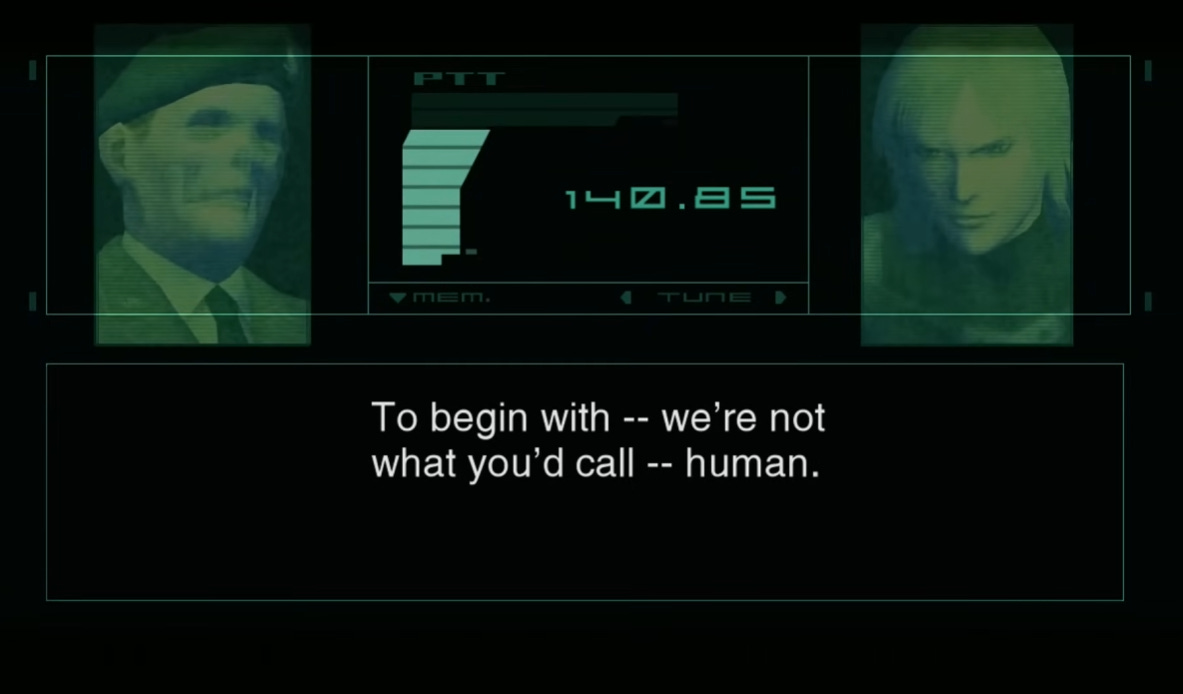
Every Metal Gear Solid game… Every single one, is a secret horror story.
And yes it is always secret, and it is always a surprise… you wouldn’t think that’s possible to keep pulling that surprise twist… even babies eventually pick up on “Peakaboo”. But every time Kojima finds a new way to stick it to you that you weren’t suspecting…. And it probably isn’t even possible for you to suspect the concepts and the very types of horror each time, it is so different from every previous one… Attacking the main character and the player in ways no game before has and even other games haven’t tried to imitate…
With many of the later entries being contrasted with the more disturbing works of George Orwell or Extreme experimental Japanese horror movies.
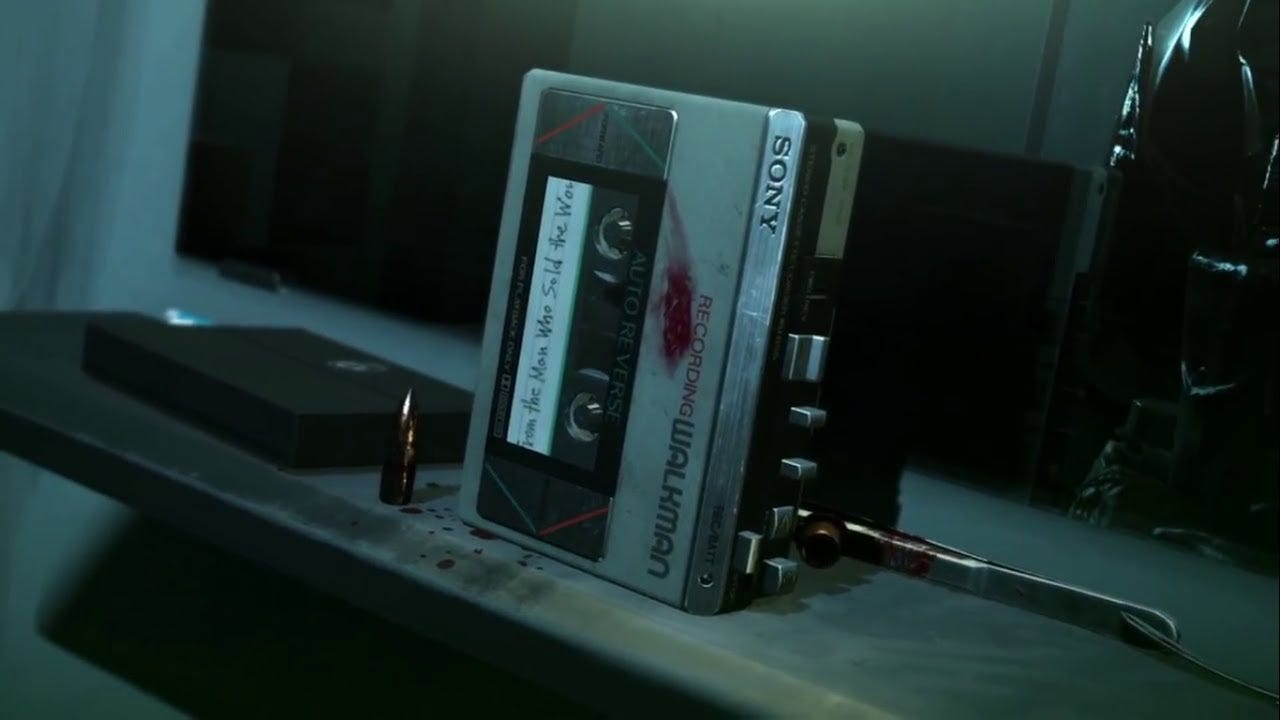
There are essays and deep dives on all the haunting and disturbing aspects of Metal Gear Solid… The twists of individual 5 minute codec calls from individual games have generated hours of video essays and debates and theorizing…. With each individual game being amongst the most interpreted and reinterpreted media pieces of the 21st century… Within internet video-essays if not academia.
If I were to try to explain even one of the simpler twists and turns and why it works so well, the thematic and political implications, this essay could very well balloon into a book.
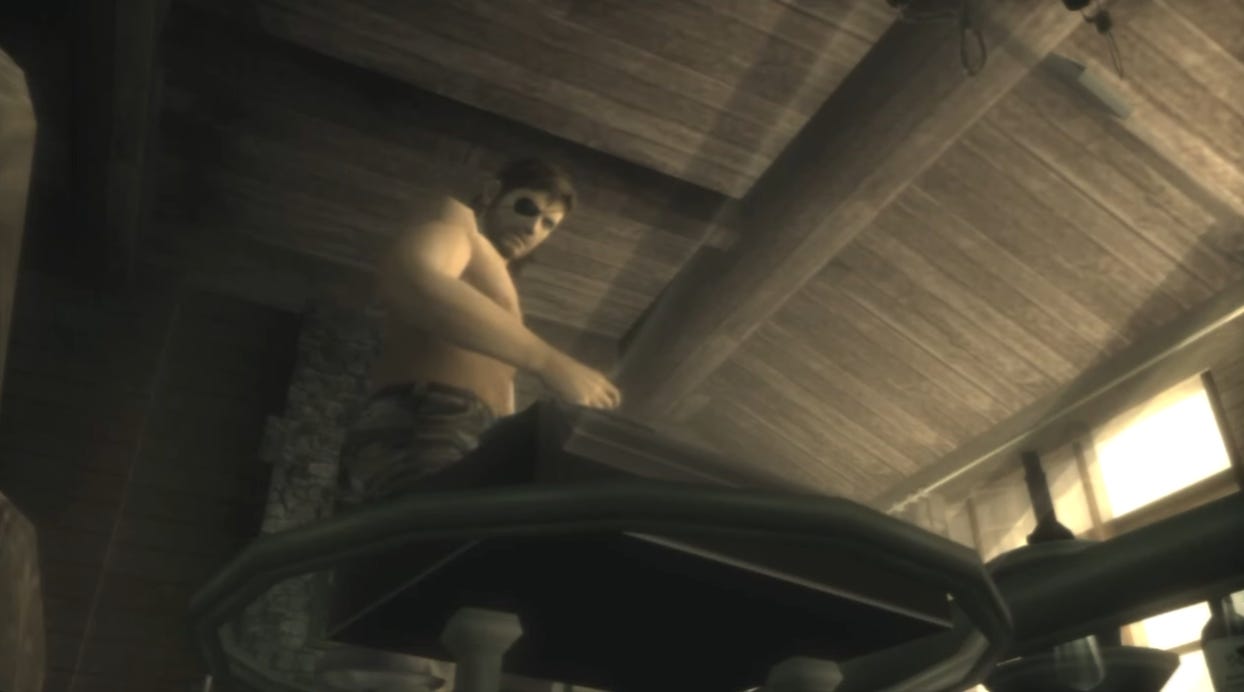
But if there’s one thing that unifies all the horrors of the various Kojima twists and turns…. it is the Illusion of empowerment.
You are NOT the badass hypercompetent Special Forces super-soldier who can tear his way through a base of enemy forces with his wits, will, and brawn… You are instead a Gamer sitting in a chair going through pre-rendered, pre-scripted, pre-determined events… Decided on by someone else, and designed to trick you into that feeling of empowerment, so you will continue to act out the role assigned to you.
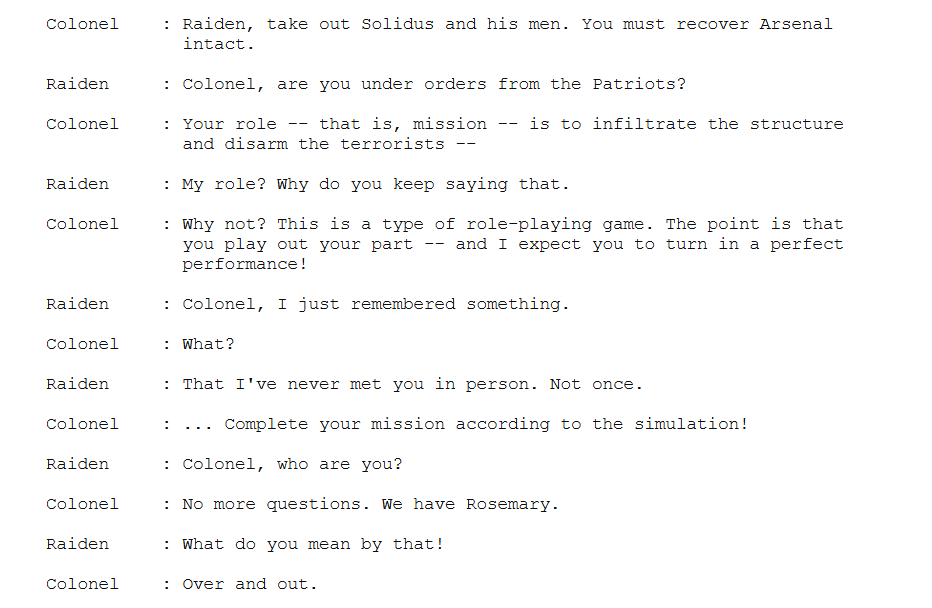
And the horror Kojima draws out of this is that your relation as a gamer to the unseen game developers you’ve never met who will determine what happens to you is the EXACT SAME as the relation between the soldier in the field and the unseen operational planners, senior leaders, and politicians who actually determine the ends, objectives and outcomes of your mission.
You are empowered to act as a lone or small unit.. a clever Fox evading your way through the underbrush of modern warfare attaining a knowledge and control of the space, but your mission, your support, your objectives, the operational and political point of those objectives? Those are assigned to you. Your friends and allies are assigned. You ideas, your information, your awareness of the world around you, the emotions you are to feel, your very biology often as not… These are assigned to you and determined by people who are often basically indifferent, if not outright hostile.

This is one of the oldest themes in all of military fiction… The tension of loyalties and the betrayal of that loyalty is timeless fodder for great fiction.
Shakespeare’s Coriolanus is about the civilian government trying to control the emotions of one of their great generals and then betraying him when he refuses to humiliate himself on their instruction.
Indeed the oldest story in the Western Cannon, Homer’s Iliad… Is about a great soldier betrayed by his commanders who has his family unit maliciously ripped apart by the impetuousness of his leaders, and his rivalry with another great soldier undermined by his own leadership, his family.
But what’s amazing about Kojima is he follows all of this to it’s logical horrifying 21st century conclusions: What happens when you are forced to operate and pursue military ends ALONE, or in groups small enough so as to be functionally alone.
“Soldiers don’t fight for politics or nations or Gods or abstract ideals. They fight for the friend next to them.” So says the timeless wisdom of countless military observers, commentators officers, NCOs, and others… Indeed this goes right back to The Iliad…
So what happens when there isn’t one? When you’re a unit of one? Or that one or two friends wants to quit and desert and is asking you to go with them? Or that one or two gets wounded or killed or otherwise incapacitated?
Sure you might have a massive support team over radio or back at HQ planning your objectives, encouraging you, and providing useful information and support… but they won’t go where you go.
What happens when the vagaries of modern warfare and insane Japanese Game Developers means that you have to infiltrate, hold positions, complete objectives, and take risks alone, under your own will and judgement… without immediate officers, senior NCOs, or the collective of the unit?
How do you get people to fight at that point? How do you get people to sacrifice?
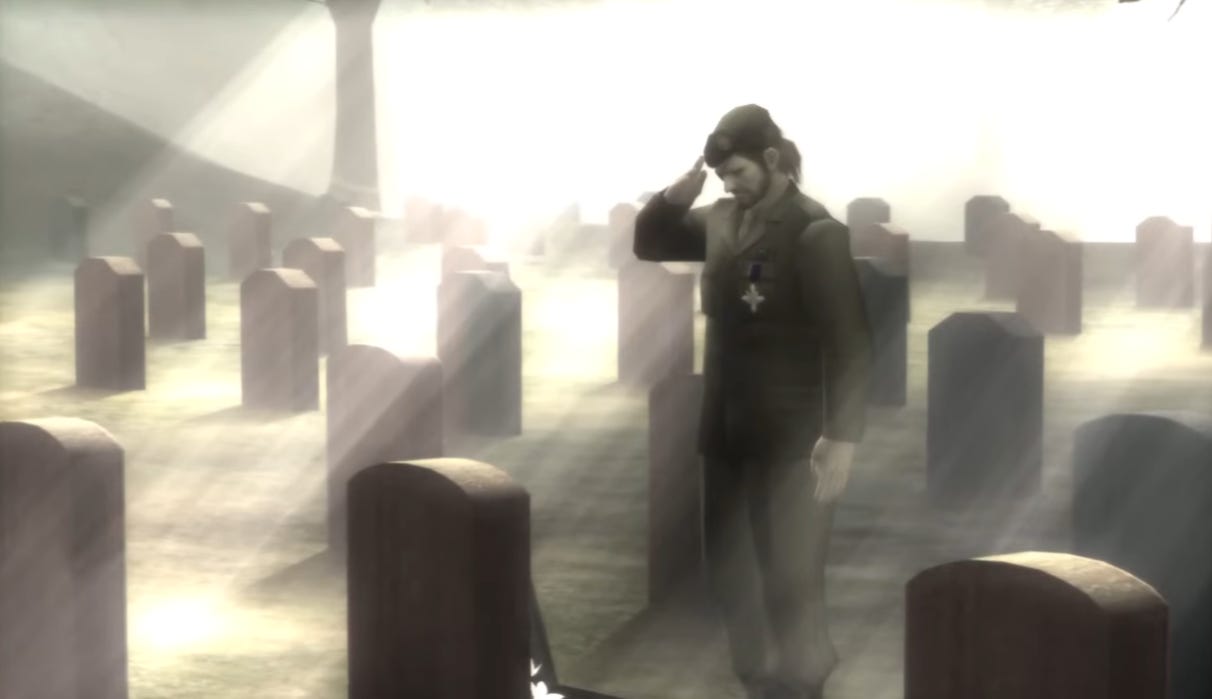
.
Even if your cause is the most divinely inspired, democratically justified, militarily vital, politically clever, piratically profitable, achievable, honorable, survival necessary, and humanitarian effort in the history of warfare (it’s not) that’s still no guarantee your soldiers will agree, or agree with sufficient enthusiasm to go forward into enemy fire.
In previous generations this was solved by force: Traditionally this is what NCOs and Officers are for… To stand around line-formations with spears preventing soldiers from breaking and running… And whether it was the threat of Roman Decimation or Soviet blocker units empowered to kill or machine gun deserters and broken units. And indeed Ukraine and Russia use these aggressively… with Drones and other blocker units often being used to hunt down deserters ( but not reliably, Ukraine’s official count puts their desertions in the hundreds of thousands)
Whilst others from the Vikings to the Crusaders to the Boxer Rebellion to the SS to various communist Red Guards and third world militias have employed elaborate rituals, psychological indoctrination methods, and drugs (Psychedelics, “Go Pills”, Brown-Brown) to implant super-human aggression and energy into soldiers.

And Yet others: Pirates, Napoleon, the Royal Navy, American Frontiersmen, the Ancient Greeks… Have promised, explicitly or implicitly, extraordinary financial rewards, prize money and plunder to soldiers…
Yet all of these break down when the soldier is alone, or they get out in the field and suddenly the enemy in front of them seems far more hazardous than the blocker units behind them, or all that Marxist theory they were forced to read 16 hours straight doesn’t sound so compelling, or the prize money seems far less certain than the enemy’s shot…
For a ship to mutiny you need an elaborate conspiracy and scheme to overpower the marines on board… For an individual to mutiny? You just need a change of mind.
So how do you control soldiers and gamers when the only thing truly sending them forward is their own internal decision to do so?
You manipulate them.
.
As any reader of Thucydides or Xenophon or Livy could tell you: “LEADERSHIP” often as not has as much to do with deception and extortion as it does with inspiration.
You secure control of people via threats, blackmail, lies, deceptions, false loyalties, narrative control, information control, biological poisoning, bribes, false bribes, propaganda, bait, personal insecurities, moral manipulation, sexual manipulation…
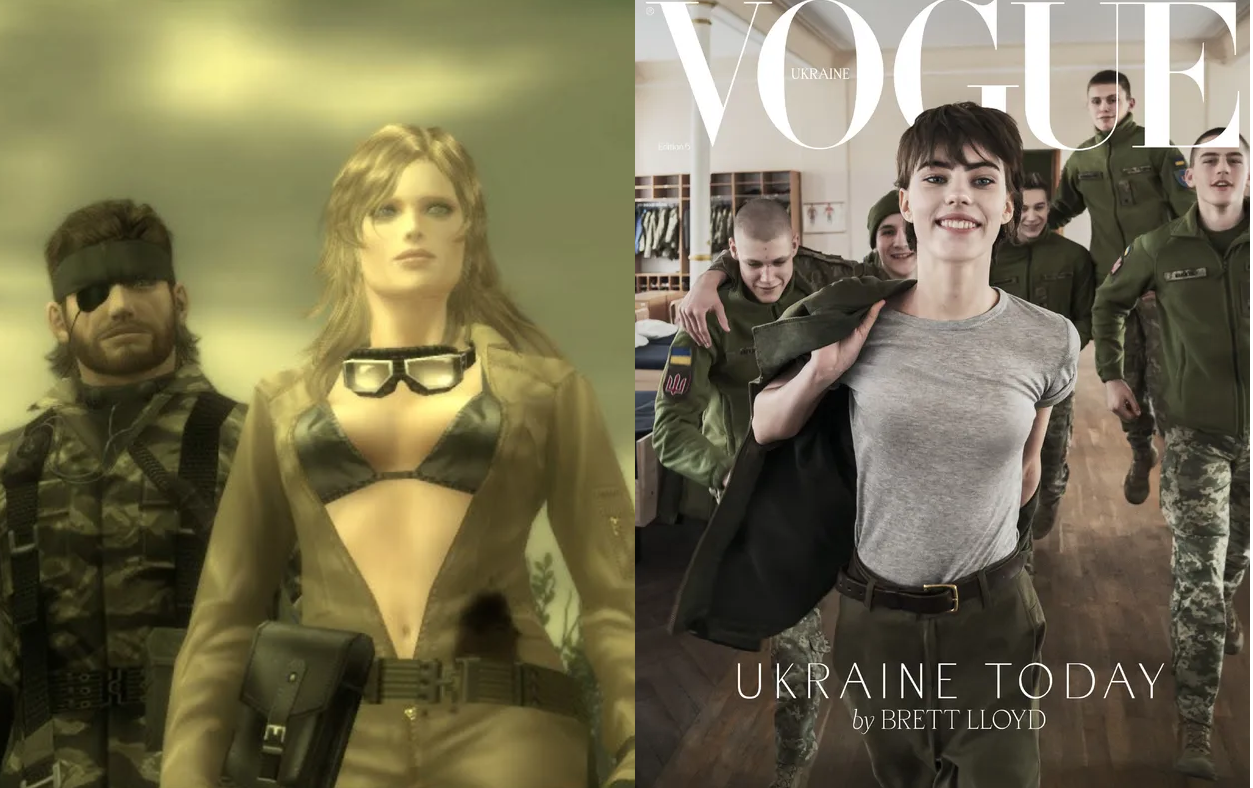
If the entire gameplay loop of Metal Gear Solid is about manipulating odd and different battlefield environments towards your ends… the entire narrative loop is how you and others are manipulated to the ends of governments and power-players you largely can’t even perceive before you’re serving them…
And in later entries the horror that when you learn to perceive how you were manipulated and how to fight back… is when you start manipulating others.
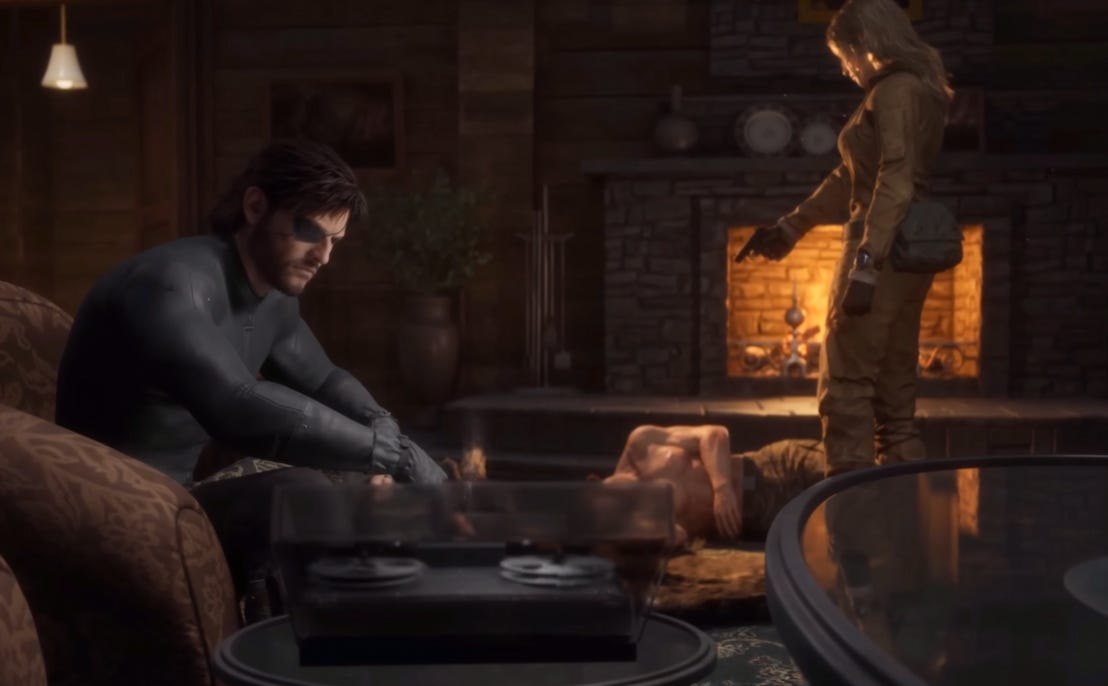
In Conclusion: You’ve Got a Way To Fall
Unspoken but increasingly perceived in the tumult of Russia-Gate, Lockdown, the 2020 elections, the Vax Mandates, The Ukraine War, Oct 7th, The Israel-Gaza Wars… Etc.
Is that when western military and intelligence thinker theorized “5th Generation Warfare”, the hypothetical information focused warfare against cyber-manipulation, social engineering, narrative manipulation, etc.
Fifth-generation warfare (5GW) is warfare that is conducted primarily through non-kinetic military action, such as social engineering, misinformation, cyberattacks, along with emerging technologies such as artificial intelligence and fully autonomous systems. Fifth generation warfare has been described by Daniel Abbot as a war of “information and perception”.[1] There is no widely agreed upon definition of fifth-generation warfare,[2] and it has been rejected by some scholars, including William S. Lind, who was one of the original theorists of fourth-generation warfare.[3]
-Wikipedia
Well those western leaders and theorists weren’t actually theorizing warfare and the development of military matters so much as they were CONFESSING to decades if not generations of manipulations, ops, lies, media infiltration, soft and hard censorship, lawfare, and worse.
Anyone who paid attention could tell you the definition of 5th Generation warfare was less a “prediction” than a description of decades of intel agency policy both around the world and at home, in WW2, the Cold War, the “End of History”, and the Global War on Terror. The codification “5th Generation Warfare” was more a formalization and attempted legitimization of the policies they were pursuing anyway… If not an attempt to Retcon and doctrine-wash many of the failures and moral horrors of Just such policy…
(Contrary to DC received wisdom, the Cold War was mostly won by middle-America’s honesty, honorable conduct, and economic productivity… not intel agencies duplicity and counter-productive cultivation of the world’s criminals and ethnic mafias)
Indeed the biggest omission in all their descriptions is simply that almost none of them give the game away and simply include the acronym “NGO” in their definition of 5th Generation Warfare.
.
We’ve been living through decades of what is effectively 5th Generation Warfare since at least the Kennedy Assassination…. Something Kojima intuits, setting his earliest game (Metal Gear Sold 3) within a year of the assassination.
All the defining policies and relationships of the modern west and its systematic betrayal of its traditional fighting base of young white men all comes out of those years…. from the “Greatest Ally” Israel, to the 1964 Civil Rights Act, the 1965 Hart-Celler Immigration Act and the policy of “diversity” which become a campaign to systematically destroyed western nations in concert.
Indeed for many the political betrayal is so complete Kojima’s made up mercenary ideology of “Outer Heaven” from the earliest 1987 Nintendo game, a placeholder for just “bad guys” has gone from an absurdity: a mercenary-pirate ideology of madmen… to something maybe a majority of young men in the west would sooner fight and die for than their own countries.

But there’s the rub…
Because the second you become willing to fight for something whether that be nationalism, human rights, western civilization, democracy, the right to self determination, whatever… suddenly financial powers and international intelligence networks will show up to tell you exactly how you can fight for it.
.
One of the remarkable things about the War in Ukraine is how BOTH SIDES have made the complete opposite political claims to radically different groups who are mutually fighting for them.
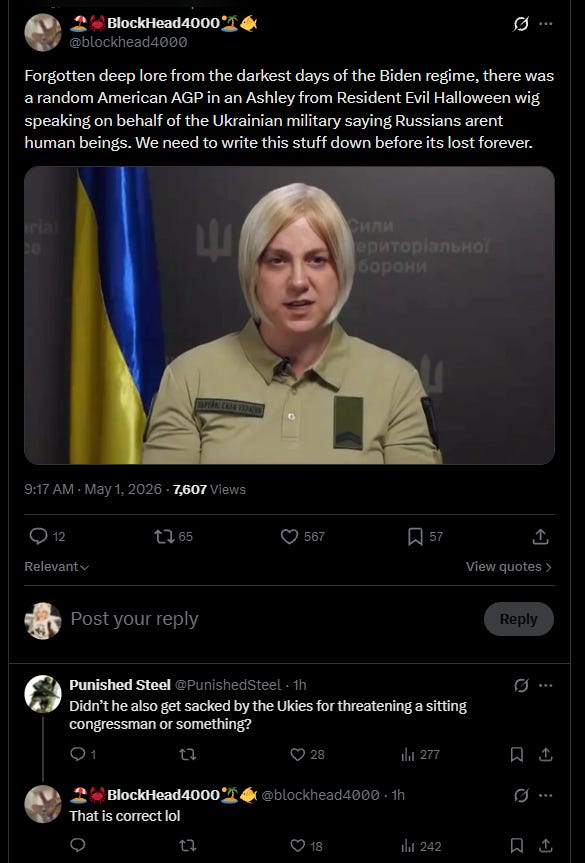
Ukraine at once promises left wing Gay, Trans, Liberal Democrats, European Unionists, and Internationalists the opportunity to fight for the “rules based international order” embodied by the Rainbow Flag with countless queer activists, antifa members, and at least one would be Trump assassin going and making the Pilgrimage to Kiev.
Meanwhile one of the largest factions within the Ukrainian state are the Banderite Neo-Nazis represented by the Azov Battalion and others who openly wave Swastikas, incorporate black suns into their symbols and throw Roman salutes.
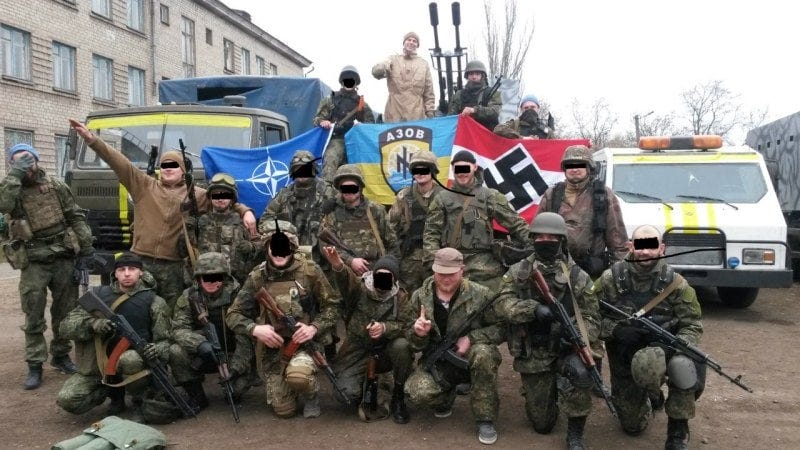
This has started a major fissure within international Neo-Nazism… Since now half of the world’s violent Right Wing extremists back Ukraine and are willing to go and many have gone to fight for them and train with them, whereas the other half point to Zelensky the Jewish President of Ukraine, and his ties to various Jewish oligarchs and Israeli influence networks, to argue that Ukraine is a honey pot to trick honest sincere hard working Far Right Violent Extremists into dying for Jewish influence networks and Israeli embezzlement and human trafficking schemes. Die for the white slavery of Ukrainian women young Nazi-goy.
With seemingly not even the people on the ground being able to tell who is actually the power behind the throne and who the useful idiots dying for their enemyies’ geopolitical goals? Are the Gender-Queer NATO defenders dying for Nazis? The Nazis dying for Jews? Or is NATO funding Nazi extremists who will destabilize the continent in the next decade the same way they funded Islamic extremists Mujahadeen against the Soviets in the 80s or Chechens in the 90s?
.

Likewise the Russian government has stated again and again that one of its core goals for its special military operation is the “denazification” of Ukraine… To chase out the Azov Banderites and their anti-Russian racial ideology…
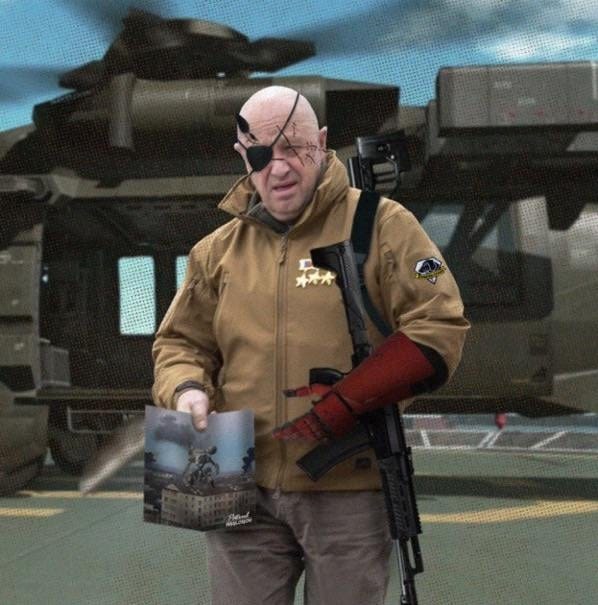
Yet at the same time Russian Neo-Nazis were core to much of the Russian war effort with the Infamous Russian PMC Wagner Group having been founded and commanded by the Neo-Nazi Dmitry Utkin… Who worked closely with his partner Yevgeny Prigozhin… a Man who’s father and stepfather were Jews!
Naturally when Putin shot down both members of this odd couple together aboard their transport plain after their failed coup attempt, in one of the most tragic endings to any Bro-mance in military history, the Metal Gear Fandom meme’d and immortalized the Wagner team… With many noting the similarity between PMC Wagner and PMC “Diamond Dogs” from Metal Gear Solid V… Kojima’s rogue fictional Mercenary outfit that was killed off by the US government just as Wagner was purged by Putin in real life.
This painfully hard to map Schizophrenic kaleidoscope of ideologies, motivations, alliances, and ethnicities… with it never being clear which side actually represents what political or ideological end… Where a Jew could easily fight for a nation only for it to go Nazi, or a Nazi fight for a faction only to realize it is Zionist to its core… And no way to know which factions are the real power, and which traitors and useful idiots, but all of them ever keen to tell you that your individual ideological and moral dreams, your ethnic self-expression, your national dream for a better homeland, and sincere commitments can be met by fighting for THEIR cause, or sending funding to THEIR network…
Only for you to get betrayed for the geopolitical goals of a 3rd or 4th country, or get dragged on Yevgeny’s wild blood-feud March on Moscow… Or sold down river like the Kurds having won yet another “Trusted America” Award.
.
As Warfare becomes more and more driven by internal independence of decision… as foreign volunteers, individual action, internal motivation, and deep inner personal will to fight becomes THE currency of warfare…
Suddenly manipulating that, framing that, luring the ideological extremists of all sides, and then exiting, rug-pulling, and betraying those who trusted you for your own goals… that becomes THE GAME for nation states, mercenary companies, ideological movements, transnational criminal organizations and influence networks.
As the skillset and mode of fighting in modern warfare increasingly resembles the gameplay loop of Metal Gear Solid… the schemes, conspiracies, plots, dynamics, and personalities of modern warfare are increasingly resembling the stories, aesthetics, plot points, and character dynamics that Kojima wrote.
.
This is going to be an era of profound disillusionment and heartbreak… Tragically beautiful as increasingly independent and heroic fighters selecting their foreign battlefields to volunteer upon (or get press-ganged and shanghai’d into fighting)… having exercising truly admirable independence of judgement and action,… Only to have their trusts tragically betrayed, and new figures to arise leading new segments and movements on new crusades of vengeance and ideological visions… which themselves meet new tragedies.
Kojima’s vision has already expressed itself but not completely… the rise of this new type of soldier, this new independent “Legendary Mercenary” has already begun, you can see these figures with youtube channels and go-pro footage of their time on the Frontlines of Ukraine, Syria, Lebanon, Gaza, and other places…
The Geopolitical implications of various Soldiers TikTok and Instagram videos creating legends for themselves… as well as the horror stories and disillusionment of others.
.
Just as warfare has come to resemble the Vision of Kojima… The way millennials and younger conceive and represent warfare is increasingly Kojima-fied with many now trying to cultivate the larger than life personalities, and narrative Arcs, and individuated career ambitions…
“You look like a bunch of God Damned individuals!” Might be an insult that drill sergeants have long used to insult and breakdown troops who’ve failed to maintain uniformity…
But on the modern battlefield where reputations drive career prospects and might have to transfer between Conventional Militaries, Private Military Companies, Security Contracts, Foreign Volunteer Legions, Intelligence Agencies, Guerilla-Units, Youtube Channels, Podcasts, Military Industrial Companies, Semi or fully criminal organizations, Legacy Media Companies like FOX News, and Governmental Political Administrative appointments…
Suddenly personal branding takes on a shocking amount of importance.
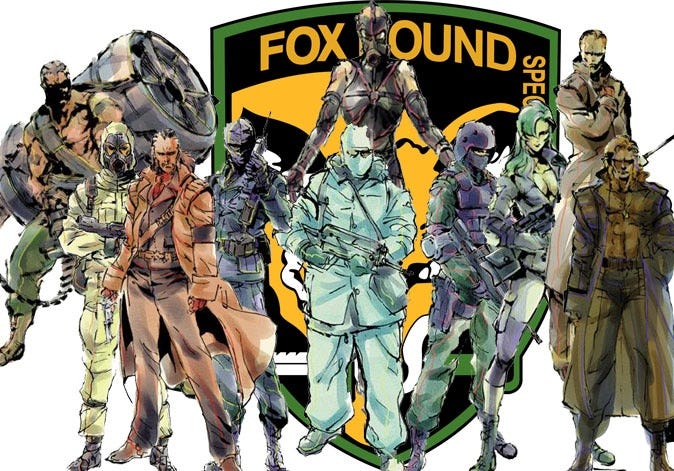
Somehow even as most western militaries aim to have a “grey-man” “Quiet professional” appearance to dodge scrutiny… Increasingly everyone who gets contracts or appointments to various companies, agencies, departments and organizations all increasingly look weird, and have distinctive visual markers like Kojima villains, or the freelance mercenaries of earlier ages of warfare.
Trump Appointees aren’t quite as garish as Trump the Man, and certainly aren’t as ostentatious as historical mercenaries… But it doesn’t take a weatherman to know which way the wind is blowing.
As clout becomes the currency… Clown becomes the style.

Welcome to warfare in the 21st century.
The best Is yet to come.
.
.
.
Tip:
BITCOIN: bc1qdhj7637sgcssxgxygjaa3ddljwy8tzg5mzw325

MONERO: 8AhA3g9hbtDcAJE5MPmeQsFwwGsf3H9fq9tC6giQ4a6vKnTXv4J4MivKXrPKDpXyEeNc9mfFejbq84kSWkC8pjuj18rAEij

Follow me on Twitter: @FromKulak
"were all fox-hound now. life is tactical espionage action". as im driving by a flock camera. God is a comedian
Fantastic breakdown. A thought occurs that after the past 25 years of stagnation and relative cultural continuity, we are starting to see some early indicators of an entirely chaotic world. People think it is already chaotic enough, but just imagine what happens when these domestic issues start to cook off and everyone starts to realize that their piece of the pie is getting smaller unless they start taking names. We are headed for a dissolution of empires; entire army groups will sever ties with their governments, administrations will be wiped out by dedicated cartels or guerilla fighters, mercenaries become both necessary and legendary once again.
Truly, Kojima is war by other means . . .