

P.S. I am losing subscribers for this piece like I do every time I touch this or other controversial topics… So please subscribe if this was valuable to you!
“Your Tradition is Dead“
Christians who argue against the Pagan revival often try to achieve a “checkmate” by claiming that the tradition does not exist, that the only texts are works recorded by Christian monks and (implicitly) they probably lied or didn’t record it right, and “No” “True” atleast Norse pagan texts exist, and therefore it is a LARP… You’re just playacting a reconstruction that bears no relation to anything your ancestors actually practiced and none of the traditions survive…
neener-neener-neener LARPer LARPer LARPer!
Sometimes they even imply that the Greek or Roman texts cannot be trusted and are basically games of telephone, because they had to be recorded and rerecorded by Christian scribes and monks and that therefore even Hellenic Pagan texts like the Iliad and Odyssey or Hesiod’s Theogony or Works and Days are entirely unreliable and therefore not even Hellenic or Roman paganism is a tradition that can be practiced.
This is complete nonsense, and betrays a real stupidity and historical illiteracy on the part of the person making the argument.
So First of all: the Christian gospels, Hebrew old testament, histories of Josephus, Apologetics of Augustine, and all the works of the early church, all of them! Went through the exact same process… So if the scribes and monks were unreliable Christians, Jews, and especially Muslims, have exactly as little reason to have faith in their own texts as pagans have in ours… Indeed by sheer length of the game of telephone, Norse paganism would the MOST accurate, by sheer fact that it was dedicated to text the latest and its revelations are the youngest (depending on how you measure).
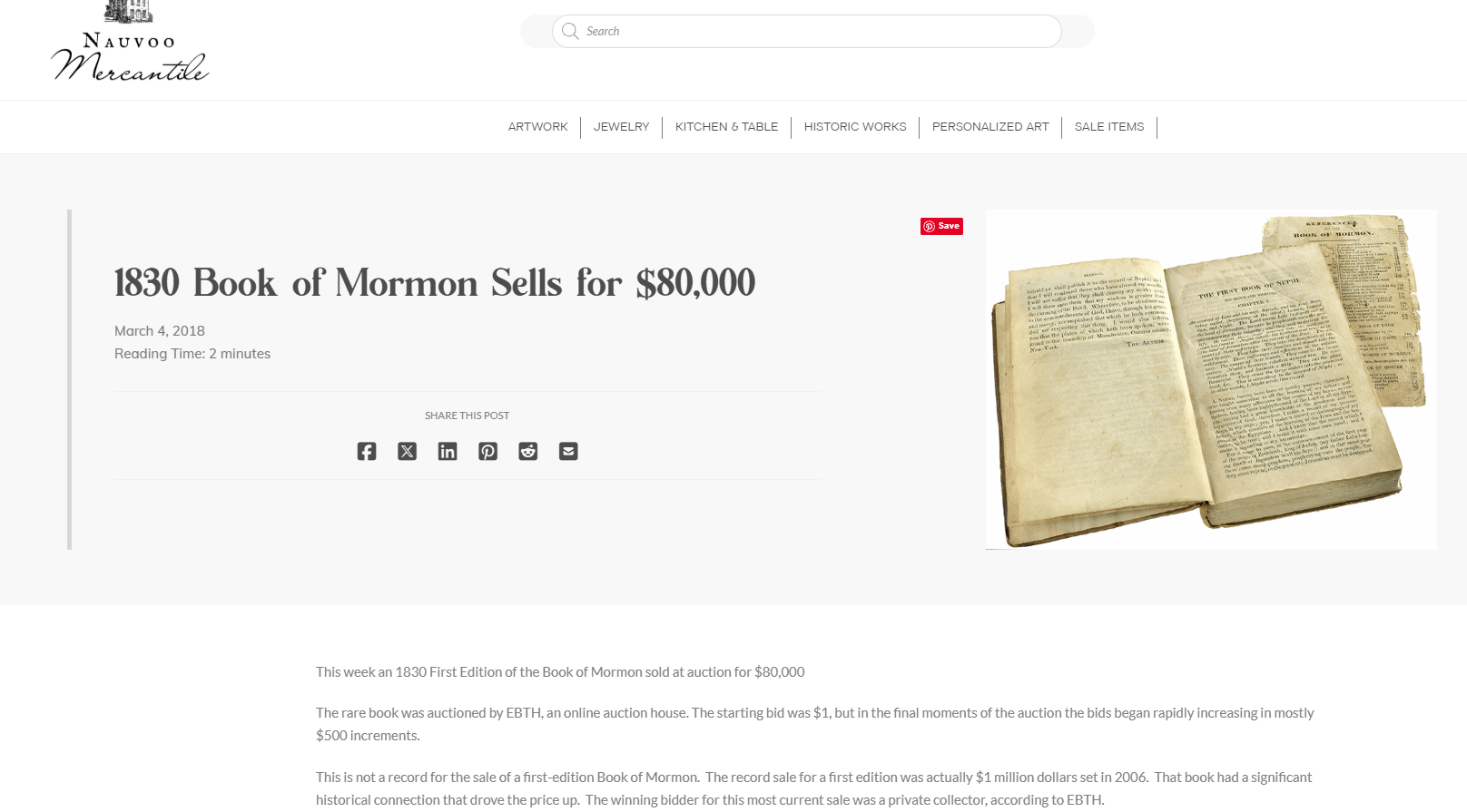
Now if you’re Mormon, this might be the slam dunk, since Joseph Smith 100% existed in the age of the printing press, and though you might have cause to doubt the old testament or even the Gospels of Christ, The Prophet Smith 100% could check the first print run of his works he translated from the Seer stones… so if you’re paranoid you can cross reference the digitized 1830 edition Book of Mormon, or if you’re REALLY paranoid drop $80,000-1 million on an actual original 1830 book of Mormon.
Likewise the scientologists can make this argument and then some… That contrary to Pagans, Christians, Jews, Muslims, and even Mormons, they can actually meet with people who MET, L. Ron Hubard.
However unless you are a Mormon or Scientologist every text older than the printing press had to be copied and recopied by hand several times to get to the present, unless it was on a hieroglyph, tablet, or recovered scroll which has survived intact to the present (which none of the main holy-texts are… though that would be a good argument for Egyptian Paganism, or Gilgamesh worship).
One could assume that this transcription was mostly accurate, or you could assume it was wildly inaccurate… But if one wanted to posit that divine providence presevered one text and not the others… Well thats a matter of faith and depending on your faith you can posit Odin or Athena uniquely persevered some specific text just as easily as you can posit the holy spirit did.
.
But second and MORE IMPORTANTLY:
We know exactly what types of texts do preserve well across multiple copies and which don’t…
The written word, in almost all languages that we know of… Comes in two forms.
Prose and Verse.
Prose is what you are seeing right here, technical writing without any special meter. in which words can be rearranged or altered in any number of ways without really altering the meaning and certainly not noticeably breaking the work.
The red ball rolled down the street and hit the bus.
The red ball went down the street and rolling hit the bus.
The rolling red ball continued down the street and into the bus.
The rolling red ball bounced down the street and entered the bus.
This is how the game of telephone changes things, especially once translation comes into it, because whilst the difference between any given word arrangement is hardly noticeable over time, it adds up quickly, and once translation is thrown into the works, expecially if concepts are complex, then the translator (already basically composing an entirely new work) is given wide margin to basically alter the text… Thus why many connoisseurs are often highly particular about translations… With many famous works like Goethe’s Faust, Hitler’s Mein Kampf, the works of Nietzsche, and many others having basically purposeful BAD translations designed to alter the meaning or damage the work in some way.
.
However there is a category of work where this does not happen: Untranslated Verse.
Verse, unlike prose… MUST go back together with exactly precise wording.
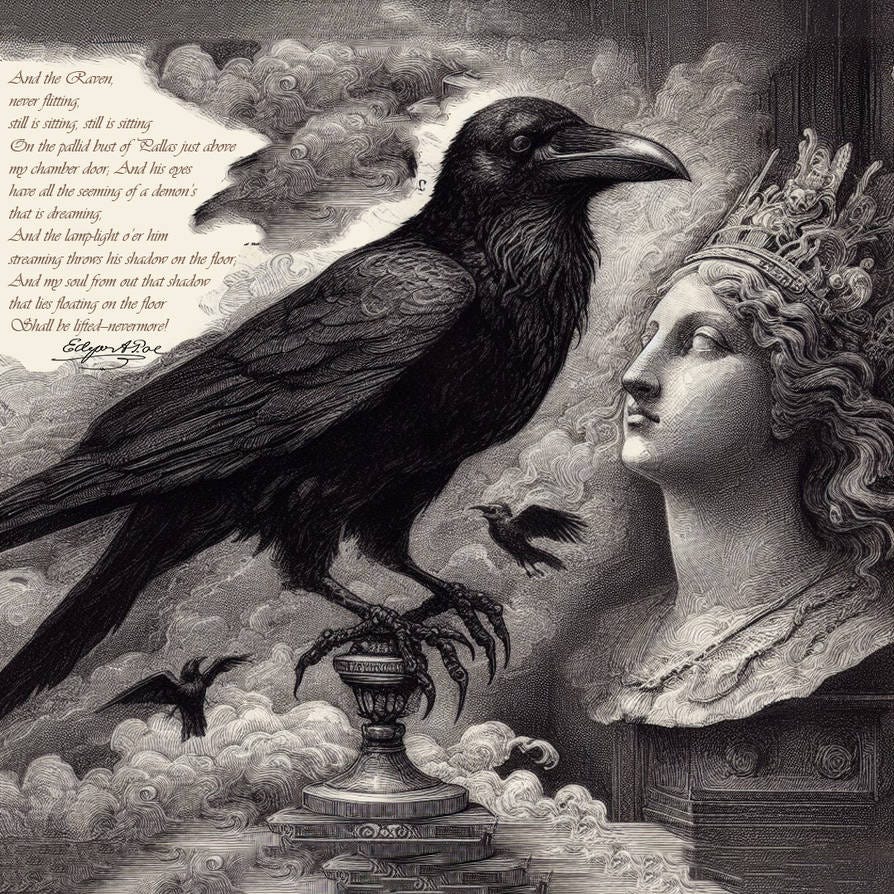
If someone gives you the “Gist” of Edgar Allen Poe’s The Raven, you have not heard The Raven. It is a precise rhyming metrical work of exact word-smithing. The exact same with Shakespeare’s sonnets and monologues… They are written in Verse!
The Raven in Trochaic Octameter and Shakespeare mostly in Iambic Pentameter.
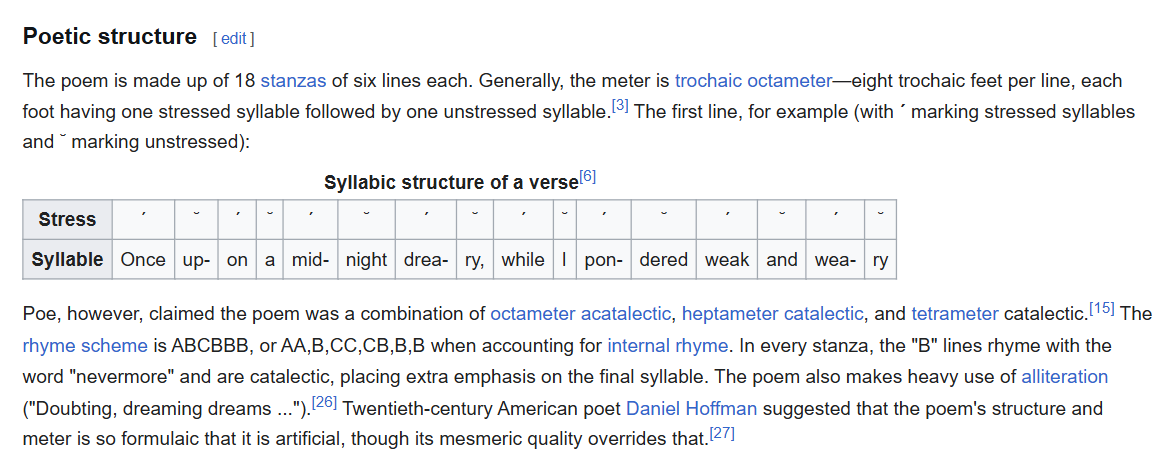
We have an entire precise professional jargon used by linguists and poets to mathematically measure, create, and assess works of verse.
Indeed we know what ACCENT prevailed in early 1600s England because the plays of the Elizabethan theater are numerous enough that from the rhymes and metrical continuations which no longer work in modern English we can reconstruct the original regional accent of Shakespeare in 17th century London, and now there is a small academic subculture of Original Pronunciation Shakespeare… That Verse so en-ambers language that the precise placement of one’s tongue is recorded within it for those with eyes to see and ears to hear.
Ben Crystal has an excellent lecture series introducing Shakespearean language.
.
Verse, because it is so precise, is an AMAZING pneumonic. It lends itself to memorization.
For the same reason skilled mathematicians can remember complex proofs or chess players entire famous games… Memorizing poetry is vastly easier than any assemblage of prose.
It has to fit together that way! How do you remember that’s the next step in the proof? The Next move in the game? The next word in the line?
What do you mean? It has to fit together that way, the whole thing falls apart if that step/move/word doesn’t go there.
For example:
How great the white man’s burden—
You bid the sickness cease,
Fill full the mouths of famine,
Their numbers do increase.
Cross bleeding boiling seas—
In western shores pursuit
The “silent sullen millions”
Land, accuse, and file suit.
How hard the white man’s burden—
The wounded kind does bear—
The fading light won laurels
hang where none, nor he, do care.
Oh rock of true religion—
So worn and dour to see—
What lackluster conviction
Framed such crooked symmetry?
What use the white man’s Burden?
See what your effort’s won:
Foul suitors to your daughters,
Usurpers to your sons.
The wretched are rejoicing,
As foreign prophets told—
The first man on the ramparts
Is last man in his hold.
Speak not the white man’s burden.
No more of what won’t be.
Lawyer? Doctor? Budding scholar?
”A nigger’s all I see.”
Curse the willing cuckhold liars,
Though well they’ll shriek and jeer,
Scorn those who’d be your judges,
”A traitor’s not my peer”.
Forsake the white man’s burden!
Back to your trade of old,
That first found profession
Awaits her master’s hold.
Her prophet of abandon—
Before a word was spoke—
The first God that you worshipped
With eyes for you awoke.
Let go, the white man’s burden—
The load of Atlas falls—
He who at Troy did conquer,
Will not beg in his halls.
Strung now the bow of vengeance,
And all the gates are shut—
The crashing world asunder—
And loosed the air is cut.
Death to the white man’s burden!
With Charity shall hang
Her harlot sister Mercy—
The rock will roll again.
The Siren’s song of steel,
Though choirs of angels weep,
He swears with scornful passion:
”I’ll not my ‘brotha’ keep.”
No more the white man’s Burden.
The lamb hath lost its flock,
The Shepherd's now for fishing,
And all the crows do mock.
No cloud is seen in heaven,
And no man’s land beneath.
It prays and bleats “Oh Mercy”,
The Tyger bares its teeth.
This is my poem “No More the White Man’s Burden” (audio version), and I just typed out the entire thing just now from memory having not reread the original in months.
The punctuation and capitalization is probably different… But that’s it. The Words HAVE to fit together this way, and it took quite a few hours to get them to fit together when I first composed it… and even in the weaker start of the 7th stanza every word is in place from pure memory months later.
This is why VERSE. POETRY… Is the default in most traditional European cultures for religious works.
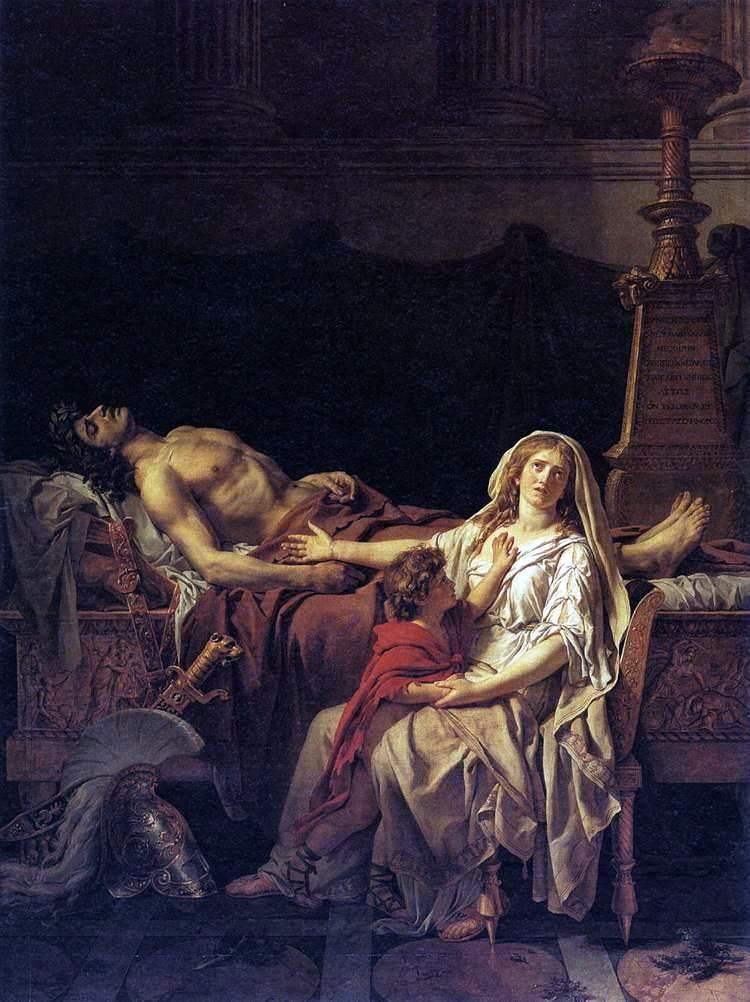
We KNOW that the Iliad and Odyssey come down to us almost entirely intact… to the point where there are 2 millennia old debates as to whether the 24th book and a little of the 23rd book of the Odyssey are original or are Athenian additions from the 5th century BC, Which reference individual line numbers… Because Homer wrote in Verse. And we have the original untranslated Homeric Greek… And the only way to change it would be to be so fluent in 8th century bc Homeric Greek that you can compose novel epic poetry within the strict metrical requirements of Homeric dactylic hexameter, and don’t you dare slip into Attic or Dorian Greek or anyone with a passing familiarity will be able to tell… the same way that if you tried to rewrite Shakespeare but screwed up and slipped in California suffer slang or an Australian MadMaxism then even an uneducated reader would notice.
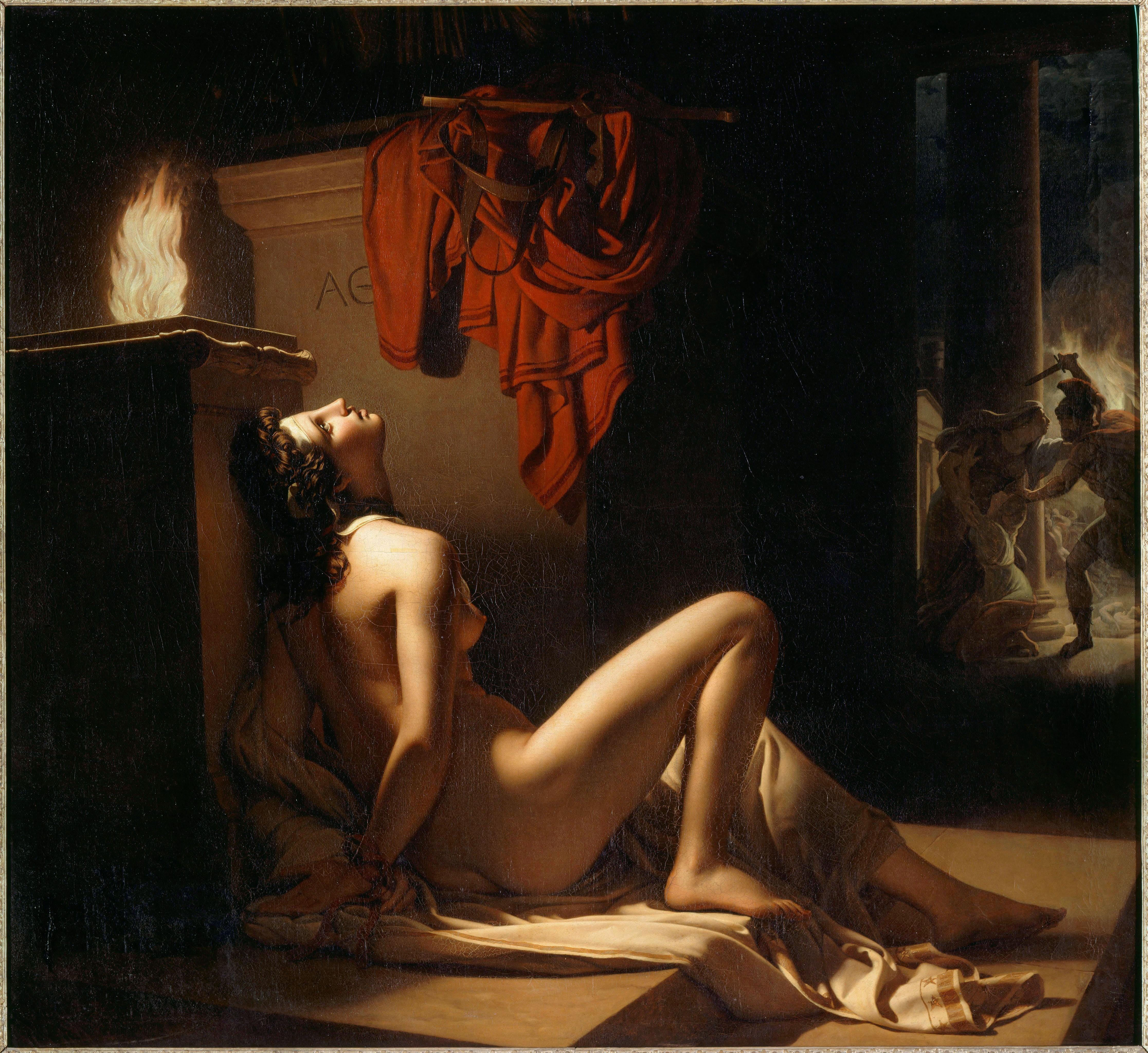
This goes for almost ALL the core pagan texts.
Homer’s Iliad and Odyssey and Hesiod’s Theogony and Works and Days, are written Homeric Verse.
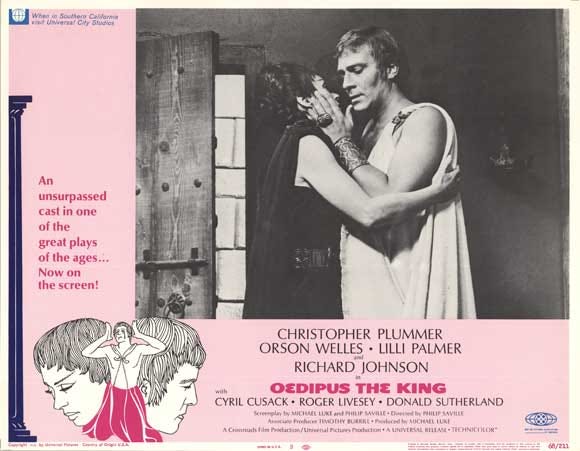
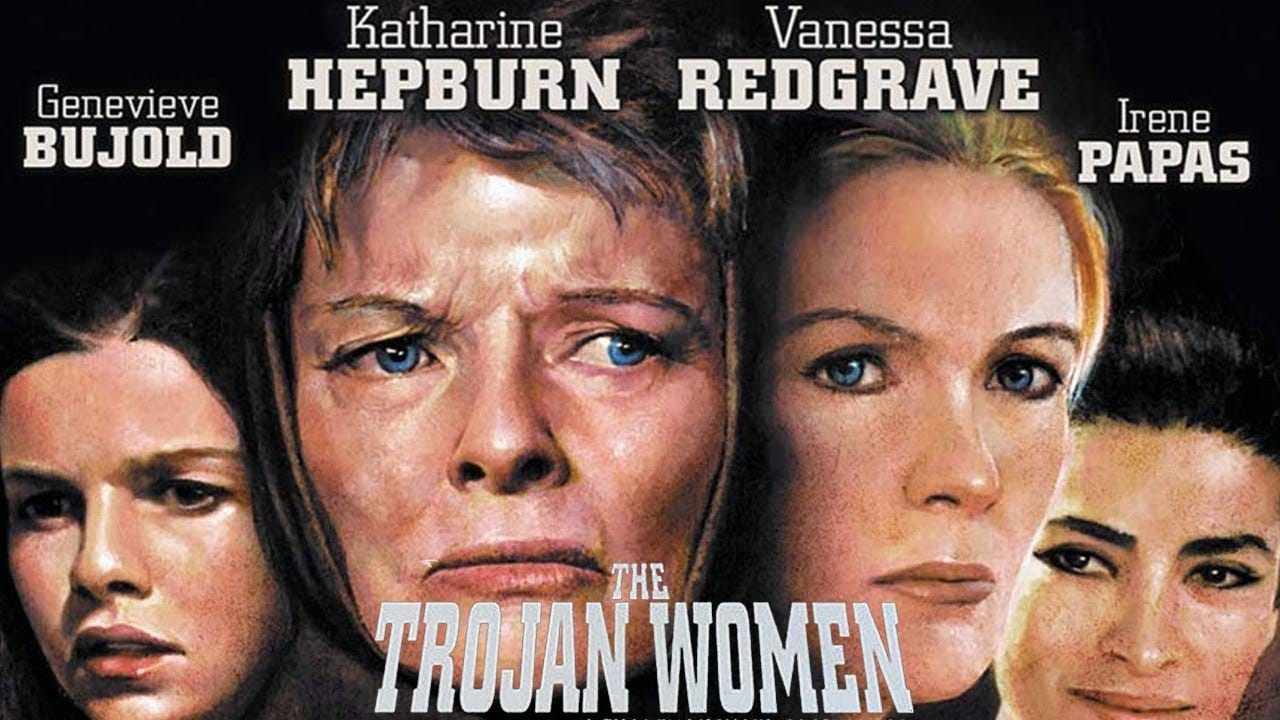
The Plays of Greek Theater: The Trojan Women, Oedipus Rex, The Lysistrata are almost all ENTIRELY composed in verse, with a variety of meters employed in various modes by all the various characters, and no extended prose used.
Likewise the works of Horace, Ovid, Pindar, Virgil, and many others CANNOT have varied because their structure maintains them…
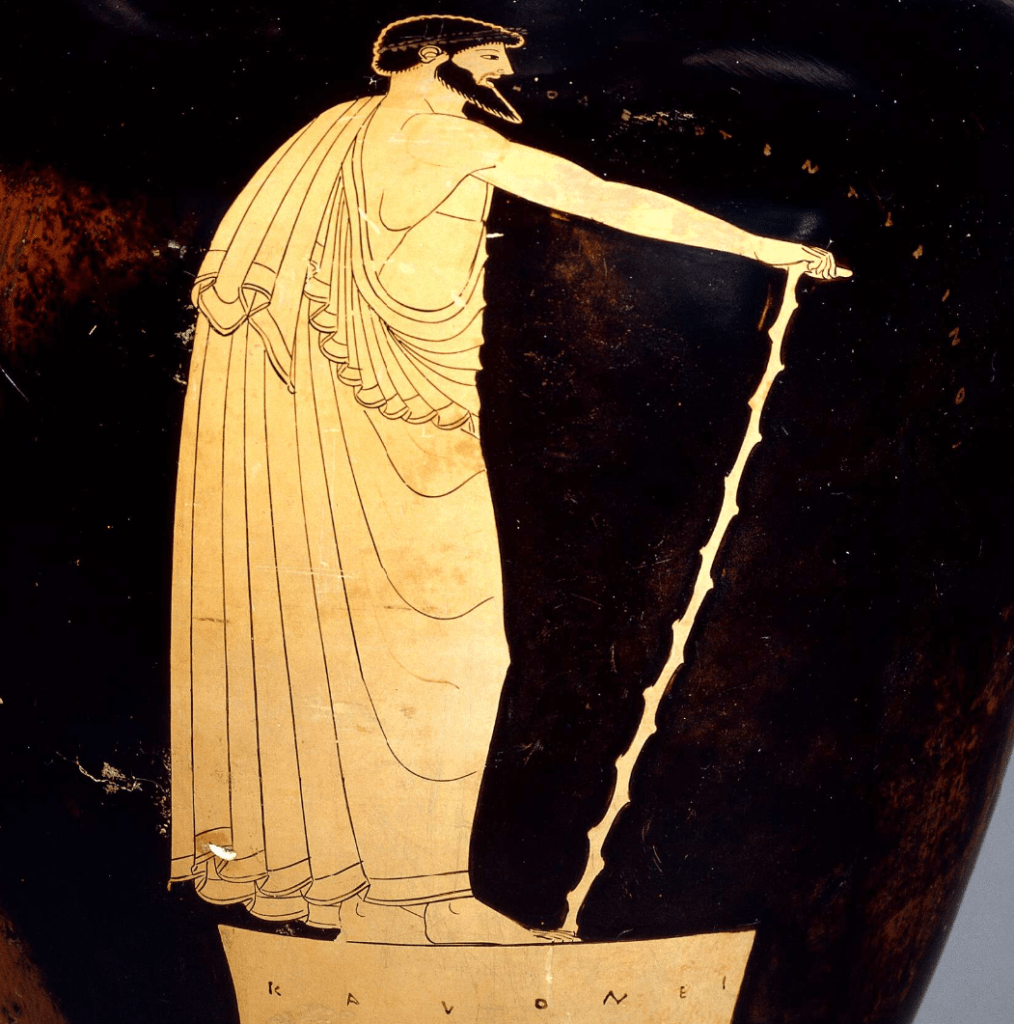
This is why Oral cultures and cultures with limited literacy, or poor writing stock, are very attached to their Bards, Poets, and Rhapsodes… Because the structure of poetry forces consistent memorization. The same way your favorite bands perform the exact same songs with the exact same lyrics every time… The structure of Verse enforces consistency, and quality immediately and tellingly implodes if that consistency is not maintained.
.
And this applies to the Norse Pagan texts. The versions we have may have been first dedicated to paper by Christian scribes… But we KNOW that the various Sagas, the Poetic Eddas, The Havamal, Beowulf, the Skaldic Poems, and Large sections of the Irish Sagas and Early Irish Liturature were composed by Pagan bards and Rhapsodes who performed them in various halls and keeps… Because they were composed IN VERSE.
It is NOT the case that these often book length poems were composed by Christian Scribes and monks, they had neither the inclination, faith, skill, nor audience to do so. (why would you compose poems then not accept credit for them, knowing they’d not be performed?) They were recorded from early texts and oral traditions that were still practiced in the early and middle medieval period, and once they were set down they STAYED consistent, both because the composition commands consistency (such that scholars can identify the few errors or oddities that do pop up) but also because medieval manuscripts existed after vellum, codices, and the bound book were invented… And so the works tend to be vastly more survivable and airtight than loose scrolls which simply don’t last in damp seasonal northern climates (this is why “lost scrolls” are always discovered in dry areas around the Mediterranean… all the ones that went north rotted).
.
But this is what I want you to really intuit Original Language poetry does not change between editions… It largely can’t. The structure compels it to be self-similar and this is why core religious, spiritual, and occult works lean into poetry so heavily.
Beyond this the intentionality simply sounds magical… People are often overcome by Shakespeare’s language and the augustness of it’s sound… but Shakespeare’s Iambic Pentameter is rather intentionally mimicking the pattern of conventional speach the “heartbeat” sound of unstress - stressed, repeated… It mimics and via its influence creates the sound of modern English:
Two households, both alike in dignity,
In fair Verona, where we lay our scene,
From ancient grudge break to new mutiny,
Where civil blood makes civil hands unclean.
From forth the fatal loins of these two foes
A pair of star-cross’d lovers take their life;
However when Shakespeare wants to create an eerie or unnerving magical quality… he doesn’t use Iabic pentameter, instead he uses a more archaic trochaic meter that resembles more middle and old English poetry:
Double, double toil and trouble;
Fire burn and caldron bubble.
Fillet of a fenny snake,
In the caldron boil and bake;
Eye of newt and toe of frog,
Wool of bat and tongue of dog,
Adder’s fork and blind-worm’s sting,
Lizard’s leg and howlet’s wing,
For a charm of powerful trouble,
Like a hell-broth boil and bubble.
The Trochaic tetrameter Shakespeare used here is very similar to the Trochaic Octameter that Poe would use in “the raven”, Poe has simply doubled the line length… That this is a common trick in English to create an occult, spooky, or ancient atmophere within poetry because it is an older meter that resembles old english speech but not modern.
Once upon a midnight dreary, while I pondered, weak and weary,
Over many a quaint and curious volume of forgotten lore—
While I nodded, nearly napping, suddenly there came a tapping,
As of some one gently rapping, rapping at my chamber door.
.
However this effect, and the pregnancy of meaning and the cultural weight of the language, the MAGIC of poetry that en-ambers and crystalizes time and place and meaning and culture and language and accent and spiritual commitments…

This is true of all Verse poetry in all languages… This is why studying dead languages is an important part of education, seemingly being purposefully denied and removed from the modern student (or atleast denied white student, Israeli and Jewish students are still encouraged to learn Hebrew)… because the pregnancy of meaning, mood, air, time, culture, diction, and place is so abundantly alive within the text.
It is for this reason, I think, that so many Anglo-Christians insist so aggressively on the King James Bible, not because its an accurate translation of the Greek or Hebrew, its really not… But because they feel the pregnancy of meaning of their own English language within its archaic and ultimately Anachronistic 17th century English.
.
Which brings us to the one group of religious texts which DO NOT benefit from this process of hard preservation in the original language…
The Hebrew Bible and Christian Gospels.
Aside from a few select songs, Psalms, Ecclesiastes, The Book of Job, and a few oddities… Almost the entire Hebrew bible, save maybe 5% of it, is composed in Prose.
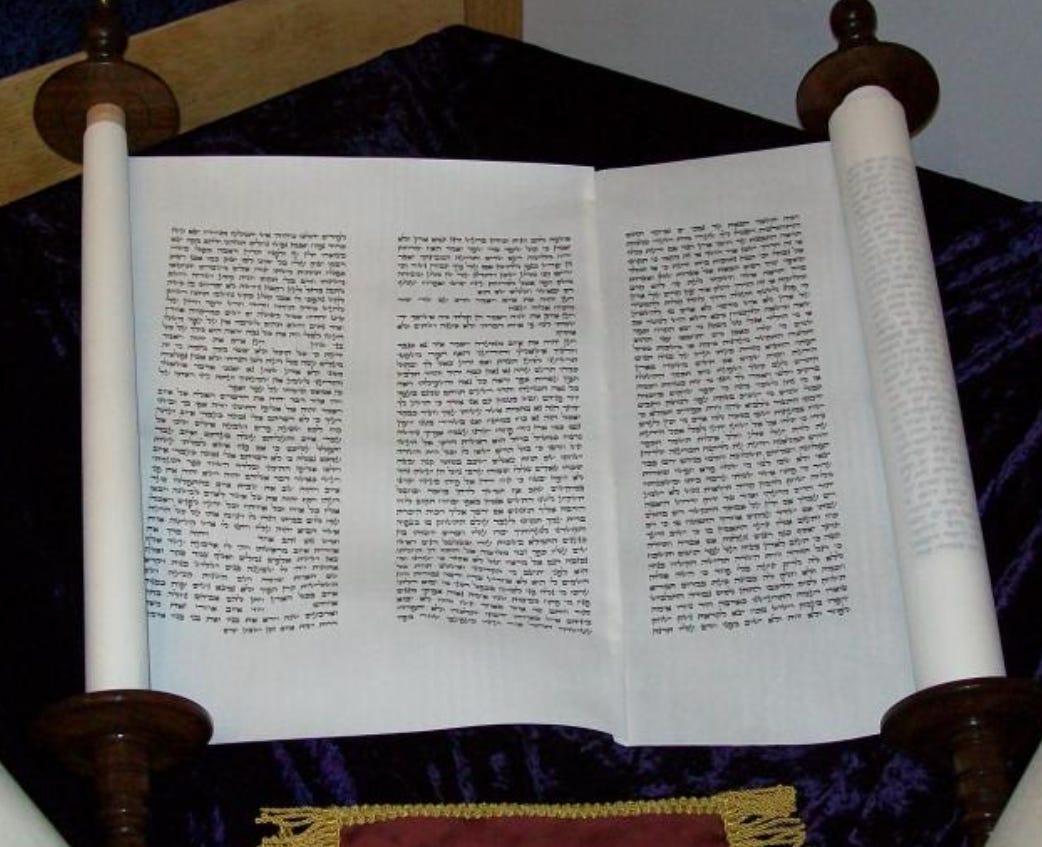
There is no meter or rhyme scheme to lock in its language and meaning. Nor is there anything of the Sort in the New testament!
This is really important because there is no Continuity of culture around the composition of the Core Hebrew texts nor the new testament…
The Ancient First temple Hebrews had little physical or cultural continuity with the Subsequent second Temple Hebrews who refounded Jerusalem.
Indeed the Torah, the first 5 books of Hebrew Bible (Genesis, Exodus, Leviticus, Numbers, Deuteronomy) are littered with anachronisms both in fact… Camels appear domesticated in the use of Abraham millennia before they actually were domesticated (according to the biblical timeline of when Abraham lived)… But more than that they’re littered with linguistic anachronisms, that while the verse “Song of Moses” and other parts of the Old testament are written in archaic Hebrew that would have existed in 1100 to 900 bc… Most of the prose in Genesis and elsewhere might date to 300 bc, with it being a Post-Alexander retcon or attempt at assembling cultural artifacts in a conscious design for culture forming under Hellenic hegemony… And we simply have no way to know what was changed, lost, edited-in, edited-out, miscopied…
And then when we get to the New Testament…
The Christian Gospels were written in Koine Greek (the common dialect of the Hellenic regions Alexander conquered) but they’re written ABOUT Jesus, a man who preached and lived his life in Aramaic, but who was a Jew/Judean/Hebrew (we won’t have the “was he a Jew” discussion here) who was Preaching ABOUT the Hebrew religion, the realization of Hebrew Law, Hebrew Prophecies, and works written in Hebrew…
So the closest we can ever get to the word of Christ is the Greek writers of the gospels writing about what Christ peached in Aramaic, about concepts he and all his followers had read in Hebrew…. AFTER it has run through the game of telephone of copying and recopying that happens with prose in which any line can be altered in any way.
.
Do you see the problem?
“Was Christ the son of God?” Is an important religious question… But I would posit the question: “Did Christ even CLAIM to be the Son of God?”
In Abrahamic religions God is referred to as “our father”… Christ even teaches The Lord’s Prayer: “Our father who art in heaven…”
He also refers to “My Father” referring to God…
There’s an ambiguity between the two, but that Ambiguity becomes massive when you notice that we are reading a series of English translations, of Greek, which itself is a Translation of a memory decades later of preaching done in Aramaic, which is referring to Hebrew concepts…
And then you notice that Christ himself is very consciously subtly punning and playing word games, that when asked point blank if he is the son of God by The Priests , he replies “That’s what you say” (Matt. 26:64)…
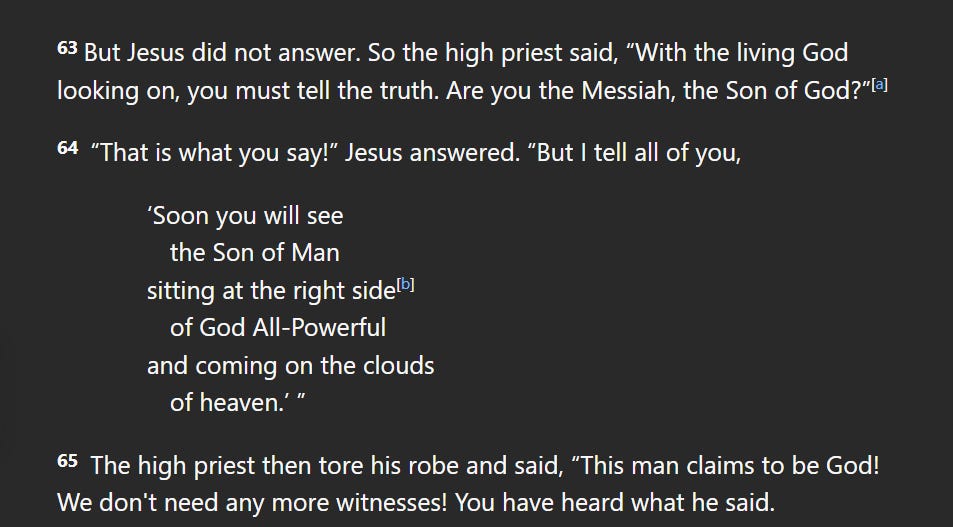
Purposefully not giving a point blank answer, but rather equivocating almost as if there is actually a theological secret, or subtle teaching that creates some third Thread-the-needle interpretation meant for true believers and his inner circle (that when one truly believes in some zen state that it is their father which art in heaven, then they truly become as the Son of God? Or the Jewish people are all the Children of God and all Sons of God? Or that those admitted to the inner followers who have accepted the Eucharist are the Sons of God?)
There are a lot of interpretations one could put Christ’s words… But that doesn’t mean all the interpretations are correct.
In any language the exact specific words mattered and have huge meaning.
Some translators have completely written out the Ambiguity of this line.
Many like the Common English Bible translate it as the english Idiom “You said it” meaning “You’ve guessed the right answer”… the “New King James” translates it “It is as you say”, Weymouth translates “I Am he”.
.
However we don’t even know did they interrogated Jesus in Aramaic? Or did they question him in Hebrew hoping to trip up a man they perceived as a country bumpkin with the ancient language?
Depending on the exact precise wording, the formality of the tone, and the specific idiom employed Christ could be saying something so insulting braggadocios it could only be translated in a Ghetto Jive:
“Hell ya Mothafucka, even yous sayin that”
Or he could be saying something exhaustedly disgusted at the absolute decadent and depraved state of Second Temple Judaism… much as Cortez might answer Aztec priests fresh from a sacrifice, asking him if he is Quetzalcōātl come again:
“If you say so”.
.
This is indeed an interpretation I rather like, since the very concept of a Messiah is a bizarre Hellenic importation into Judaism. It was the Greeks who had people walking around who were the sons and daughters of this or that God: According to the Greeks King Minos, Hercules, Helen of Troy, and Alexander were all half-siblings born to mortal women of Zeus.
The Jewish concept of “the Messiah” really barely exists in the old testament and seemingly is generated from a few very ambiguous prophesies mixed in with the overwhelming Hellenic influence of Alexander’s successors…
Because Alexander did, directly! Claim to be the Son of Zues via his mother Olympia, partly because the Egyptians accepted him as a God-Pharoah, and (in some interpretations) partly out of contempt for his legal (and probably biological) father Phillip, whom Alexander may or may not have assassinated in a power struggle (According to Plutarch Olympia denied any such infidelity, and worried Hera would curse her for Alexander’s claims).
The Idea of a “Messiah” a “Son of God” delivering a people to everlasting glory, wealth, fame, and fortune… though the word is an evolution of an earlier Hebrew term, is not Hebrew at all… Its an entirely Hellenic concept that took over the Judean world, such that there were recurring religious prophets and other would be claimants, and the Jews getting closest to the actual Hellenic conception with the proclaimed Messiah Simon bar Kokhba, whose rebellion and attempt at a revived Jewish state failed… And ended in half a million Jews dead and the renaming of the entire region to Syria-Pallestine when, according the legendary meme, Hadrian got mad:
.
So you could see how a mystic preacher who according the Bible was extremely knowledgeable about the Old Testament… might be shocked, or surprised, or disgusted at being brought before the highest priests in all of Judaism…. Only to have them ask him If he’s the Jewish Alexander.
Imagine you’re the most divisive Preacher and Prophet in Judiasm in 300 years… you’ve dreamed of matching Abraham, Moses, Jonah, David, and Daniel… That if you try your hardest and have the greatest of Faiths you might match or surpass them… Maybe even become the best Prophet there ever was. And now the head priests in Jerusalem have called you before them… You’re staring Caiaphas and all the Pharisees in the face… And what do those most corrupt priests, decked in the most honorable robes of your people… What do they ask you?
Are you the Messiah? Are you the son of God? Are you Alexander the Great?
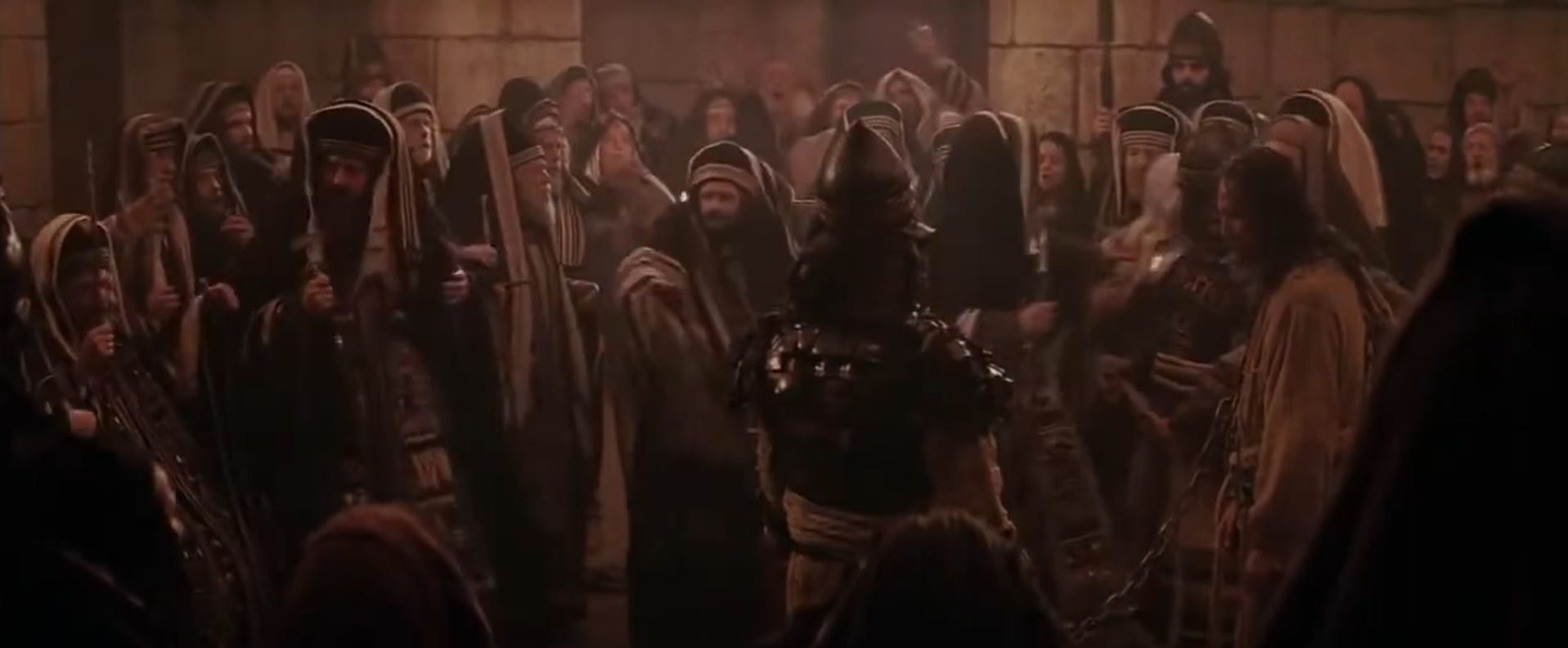
The most learned priests in all of Judea, whom you’re on trial for disrespecting and blaspheming, ask you a category error.
The Son of God is a category that exists in Hellenic paganism, Zues takes all kinds of shapes and sleeps with all kinds of women, he is an embodiment of glory, victory, kingship, and judgement, and banging hot chicks is something victorious glorious kings do with their judgment. but Yahweh does not, He is the word, the very idea of a “Son of God” does not make a whole lot of sense except spiritually or metaphorically within the Jewish tradition…
So when Caiaphas, a man who should be the single most knowledgeable person on scripture in all of Jerusalem, the person who should be best positioned to interpret Jesus as a Prophet, asks him if he is the “Son of God”. Only for Christ to reference the book of Ezekiel and speak of the “Son of Man” sitting at the Father’s right hand…
I’m Inclined to interpret his “That is what you say!”, “Thou hast said”, “You have said thus” etc. as exasperation and disgust, a “If you say so” that Jesus is dealing in matters of old testament prophesy, spiritual revelation, and deep importance, whereas Caiaphas has shown himself to be so divorced from his own duties and faith he’s asking in a Jewish court if another man is the Son of Zeus. That a “Messiah” as a “Son of God” is a Pagan category so divorced from anything to do with Judea or Jesus… Caiaphas has as good as asked him if he is the Easter Bunny or Father Christmas… How do you respond to that?
I guess. Sorta. In a way. If you say so.
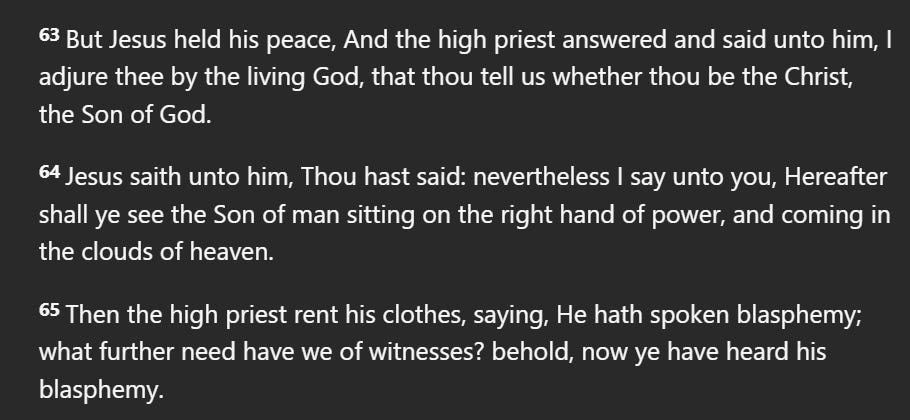
But that is my interpretation of an unrecoverable ambiguity. In Mark in this scene, Jesus simply replies “I am”, then cites Ezekiel much the same.
The “I am” is unambiguous, though it might be sarcasm… or a question “I am?”
But the bottom issue is Mark and all the gospels are written in GREEK decades afterwards, possibly from other sources in other languages… Whereas Christ was interrogated in Aramaic or Hebrew.
All in Prose, such that little or nothing about the phrasing we should expect to remain consistent between tellings, writings, or reconstructions…
“I guess I am, if you say so” vs. “I am! even you are saying so” could be the difference of a single inflection or conjugation depending on the language… And easily lost to translation….
Such that whether Christ eagerly embraced the title “Son of God” as the essence of his character or sneered at it as a Hellenic corruption of the faith so deeply confused it made a mockery of not just his teachings but Abrahamic religion itself…
We’ll probably never know.
.
And this brings us about to the core of the Matter:

Pagan Cultures Never “Fell”
Hellenic Culture never “Fell” to Rome, Rome took it over, eventually every Hellenic state was subsumed into the Roman empire… But the language, mythology, culture, arts, people, etc. All continued.
Caesar Augustus, after finally conquering every single last Hellenic state, commissioned Virgil to compose a new Epic Poem (the Aeneid) tying the tale of the Trojan War into Rome’s founding, and valorizing the Trojan hero Aeneas from whom the Romans, and House Julii specifically, claim descent.
Likewise the “Fall of Rome” was not a “total” fall… There are Romans to this day, they live in Rome… And each region of the empire had Linguistic, cultural, artistic, and institutional continuity with the former empire… Indeed Charlamange, King Arthur (according to most works), and Freiderick Barbarossa would all declare themselves “Roman Emperor”, that their Kingdoms had successfully reunited the empire… All the mythology, Gods, Goddesses, legends, etc. Were never really snuffed out…
Even the Germanic barbarians would claim descent from the Trojans, with various interpretations and mythological cross-overs and retcons claiming that the Norse God Odin began as a young Trojan Prince who journeyed north to eventually become the first King of Norway. Others that the Slavs or other people’s of the Black Sea are descended from Odysseus's tryst with Cersei the Sea-Witch…
And all these people are more or less continuous with their previous selves.
It might be odd or cute how the Horn of Plenty of Celtic Mythology is eventually attributed to be the Christian “Holy Grail” in Semi-Christian Arthurian Celtic Mythology (with almost all of its magical attributes remaining the same)…
But there was no biological or cultural breaking point between the two… The same Celtic Britons, Welsh, and Bretons were the ones interpreting and reinterpreting the story with reference to various texts they had access to, even if we don’t have access to all the same texts now
…
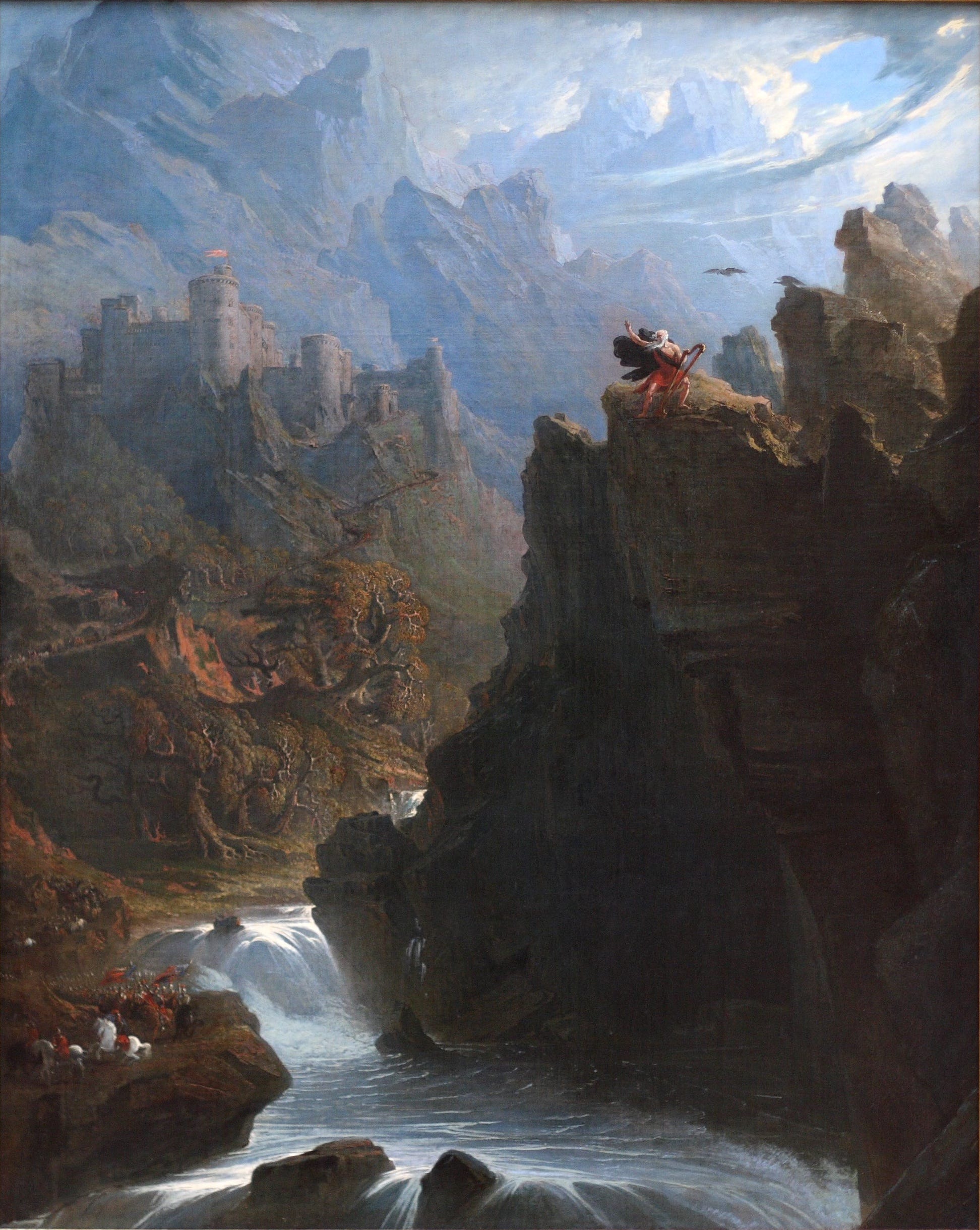
The institution of “The Bard” whether refering to the Grecian Rhapsodes like Homer, the Celtic/Germanic Pagan Bards of the pre-christian era, or Later travelling poets in the Christian era… Did not meaningfully vary in their social, cultural, mythological and racial role
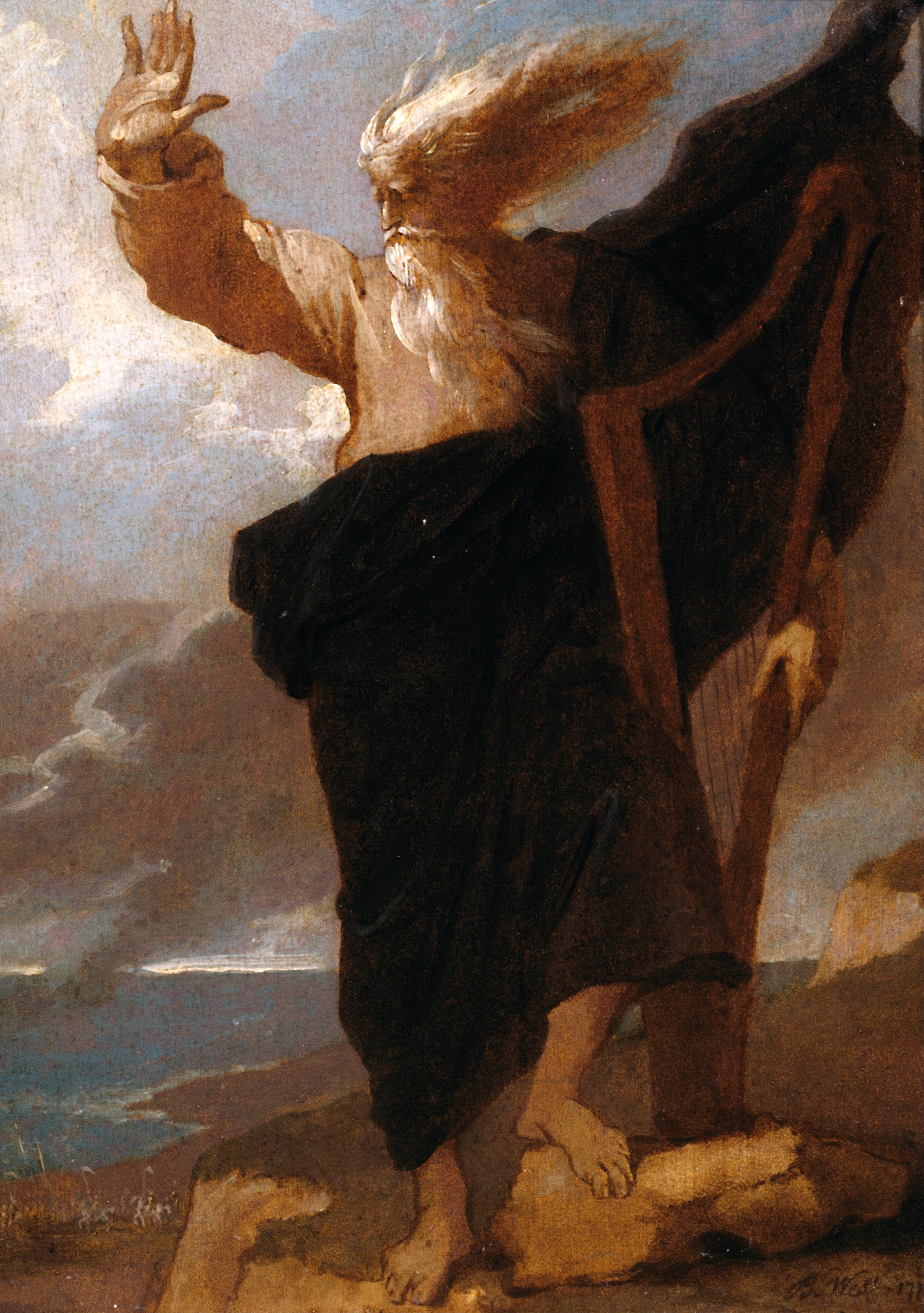
Likewise there’s an actually fairly unbroken line of cultures discussing reading, and culturally engaging with the Trojan Cycle between even works as widely divided as The Iliad, The Aeneid, and the Icelandic Trójumanna saga (The Saga of the Men of Troy) or heaven help us the Odyssey and Margaret Atwood’s Penelopiad…
We can praise or criticize the adaptations and works… But fundamentally when you invoke the muses to guide your pen the beauty and compelling nature of the work is what matters, because its the same civilization, its the same spirit being summoned.
We have the really pure Poetry of the original text, and learning the language will ALWAYS help you draw more meaning from it, and our own great poets like Chaucer, or William Shakespeare or Alexander Pope have all created their own interpretations… And ultimately what gave Homer the authority to create an epic poem about a war 300-500 years before his birth is the same thing that gives you the authority to create your own interpretation, or flesh out a Diomediad, or Penthesileid… How Beautiful is the output? How much does it speak to the inherent noble aristocratic spirit of Western Man? How much research and feeling did you give to try and unlock the Muses
We are a continuous people with the Medievals who were continuous with the Romans who were continuous with the greeks… And we can read the original texts and the story of the continuous interpretation and reification of those texts…
Some young Chud out there is trying to be Hitler, Hitler was trying to be Napoleon, Napoleon was trying to be Caesar, Caesar was trying to be Alexander, and Alexander was trying to be Achilles. (or that’s the meme version… Actually its more complex, Frederick the Great, Gustavus Adolphus, Freiderick Barbarossa, Charlamange, and Constantine are in there).
.
By contrast, the Hebrew civilization of second temple Judaism suddenly and abruptly stops.
In 132 ad the Priests could declare/accept/hint very forcefully that Bar Kokhba was the next Prophet/Messiah… Then the whole civilization died functionally without continuity.
And no one can do that again.
Every single Hebrew prophet this civilization produced via cultural and religious mastery became part of the Old Testament, Jesus was a controversial addition that produced Christianity…
And now no one can be a prophet again.
Even Joseph Smith, the strangest case of a Later Day Prophet, gets his authority from Magic stones that are said to be archaic texts from the time of Christ…. He does not do as Abraham or Moses or David or Jonah did… And Just start laying forth Revelation (Ie. making stuff up)… because the Abrahamic tradition is fundamentally a dead text of a dead people… It is not a “Living” tradition, you cannot contribute to it.
No matter how closely you read the bible or how deeply you study your Hebrew, no book you, or anyone you could ever know will write is ever going to go in old testament after Malachi or the New Testament after Revelations.
The Greatest Christian theologians and philosophers like St Augustine or Thomas Aquinas wrote “Philosophy” and “Theology” whose authority can NEVER approach the authority or import of anything actually written by an ancient Jews…. Because they don’t have access to that culture, their laity and audience is in no way continuous with it, and as such they can NEVER achieve the assent of being prophets who contributed to the text instead of interpreters who wrote ABOUT the divine revelation of others… Which they cannot ever truly even touch because of the profound distance of culture and language…
And there’s a word for if someone like Smith or Hong Xiuquan try to claim the authority of a prophet and found a kingdom on earth complete with a royal harem…
They’re a heretic. They’re creating their own seperate thing and basically no-one in Christendom even entertains the idea they could possibly be a prophet like Moses or David… Because they’re not Ancient Jews.
Meanwhile another Achilles or Wotan or Alexander or Caesar or Napoleon or Hitler arriving is considered such a pressing possibility in the western world, that people deathly opposed to such a possibility, who are religiously and politically dead set against such a creature whether they be Liberal Atheists, Jewish, or Christian… regularly write articles about the danger of a Caesar arising and overthrowing their reign…
Men of (Ukrainian) Jewish descent who self identify as atheists, but preach progressive liberalism or Evangelical Christians from some denomination that didn’t exist 30 years ago but preach Conservative Traditionalism… Will get up on their podcasts and TV shows and talk in breathless tones about the threat of 1st century bc God Emperor descended from the Goddess Venus reviving in the modern day to sweep their entire world aside… As a serious political concern of pressing danger, and even the most crazed Christian Zionist cannot treat the second coming of Jesus with as much Frank concern.
Mike Hucabee will give a wry smile like he’s sharing a private joke when he talks about Jesus coming back, but raise the possibility of Caesar and he’ll treat it with deadly concern.
Raise the possibility of HITLER coming back or the Fury of Wotan being unleashed upon the current ruling elite and they'll fall into religious ecstasies and accusations of heresy demanding life destroying intervention.
Even the most ardent Christians and Jews believe in the living danger of the Pagan Gods or Alexander or Siegfried reviving behind ruthless blue-eyes… more-so than they believe a new Abrahamic prophet could emerge.
In Conclusion
We are not “Reconstructing” Paganism…
All the core texts have ALWAYS been part of our culture, and at every stage the new objects of our culture has been produced by people with access to a full cultural stack of works and institutions and lived ways of being.
There is an unbroken chain of Bards and Poets from Homer to Shakespeare continuously producing and performing various forms of verse poetry and verse plays consistently engaging with each-other.
In Shakespeare’s Hamlet an English Playwright interprets a Scandanavian Legend in which a Danish Pagan King, is recast as a 15th century Christian King, who sees a Anglo-Celtic Ghost, before contemplating his emotions whilst watching a Theatrical production of the Passion of Trojan Queen Hecuba (inspired by the Play The Trojan Women by Euripides)… And all those threads are alive. All of those are continuous cultures that Shakespeare can engage with that have had live works produced every decade from his time back to the first telling.
Theatrical productions and Poetry recitals are the CORE Pagan rituals. Almst all Beginning with either the Gods in action (played by various players) or with chorus’s invoking the Muses and divine favor… The Theater festival at Athens was the core Religious event of the year, taking up vastly more concern, effort, and resources than all but the most costly sacrifices or pilgrimages. The mystery and theorizing of poetry inherent in the criticism and observance of theater and poetry consumes large segments of Plato and Aristotle, and their theories of poetics have been puzzled over by students of poetry and theater every single generation since (for my sins, as a former theater kid, I can attest to how lively and relevant various schools of theater consider (or considered) Greek Poetics to be).
By contrast… every passion play and “adaptation” of the life of Christ… Either stays as close as possible to the text of the bible, or is quickly dismissed as heretical.
That it is a dead text poets and playwrights cannot contribute or expand upon except by blaspheming…
Thus almost all biblical retellings spend their time attempting to dance around the Character of Jesus and the Text of the Bible… Either successfully of non-successfully.
.
But ultimately this is inevitable because Second Temple Judaism was completely ended by the Roman Flavian-dynasty between Titus and Hadrian between 60ad-130ad.
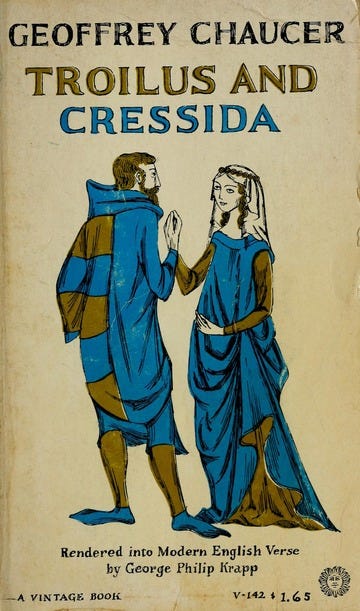
You cannot contribute to the corpus of the Bible… because its the holy-books of another civilization that ended… Whereas the Epic Poetry, Norse Sagas, Tragedies of Greek Theater, Satyrs of Juvenal and Petronius… All of these can be basically contributed to and if you do it well you will be immortalized and become part of the Western Cannon just as Euripides and Virgil became a major parts of the Trojan Cycle with The Trojan Women and the Aeneid or Christopher Marlowe and Chaucer further parts of it with Dido, Queen of Carthage and Troilus and Cressida… Or how Alexander Pope’s free translations of Homer in rhyming iambic pentameter is regarded as inspired poetry in its own right…
And you can debate the contradictions, much as Socrates, Plato, Xenophon, and Aristotle debated in their philosophy the character of Homer’s works, the relationship of Ganymede and Zeus, and countless other religious matters.
Shakespeare’s history of the life of Henry V begins with an invocation of the Muses…
Poe’s Raven rests on a bust of Pallas (Athena).
This is a continuous culture and civilization sustained through poetry, theater, literature and arts… that continue right up until 1945… No one pre-45 would argue these cultures are not continuous… Indeed Christians have often written iconic and influential horror stories about how NOT DEAD these gods are.
Tip:
BITCOIN: bc1qdhj7637sgcssxgxygjaa3ddljwy8tzg5mzw325

MONERO: 8AhA3g9hbtDcAJE5MPmeQsFwwGsf3H9fq9tC6giQ4a6vKnTXv4J4MivKXrPKDpXyEeNc9mfFejbq84kSWkC8pjuj18rAEij

Follow me on Twitter: @FromKulak
It doesn’t seem clear to me that the revival of European paganism as a religion and the continuation of the great thinkers and poets of the Western tradition are the same thing. Of the pagan texts, I have only read the Iliad, Odyssey, Beowulf, The Saga of the Volsungs, and the Poetic Edda so this may be due to the fact that I’m not quite sure what the modern day paganism you are describing actually is. I think this is mainly a theological question.
Do you believe in the creation account described in Voluspa? Did Odin and his brothers create Midgard? Or was the creation something closer to Hesiod’s Theogony? This may be due to my monotheistic theory of mind, but I just don’t understand the theology and metaphysics of the pagan worldview. What is the theory of mind on the existence of the Greek/Roman/Norse gods, and do they exist in a different form today or are there possibly new gods?
Yes the texts have been preserved well, but what exactly is the relationship of the modern day reader to the text? Is it an authoritative source on metaphysics, morals, and history in the same way a Christians conscience is bound to submit to Scripture in order to call himself a Christian or is the mechanism different? I apologize for all the questions I’m just curious what claiming continuity with these traditions actually means.
An eerie piece, and most welcome. As I read along, my frustrated retired outsider teacher mind kept jumping ahead, apparently trying to beat you to the punch. “Crap argument! ALL the texts were copied and altered. Just look at the rows of bibles at a Barnes and Nobles (oh, wait…).” It felt absolutely weird.
To assert the role and role, value and significance of verse creates a myth-busting position in the face of and narrow and illogical, and poverty-stricken Western Christian mindset is important. Thank you.
My old educator’s heart felt a wave of relief while reading your poem, as I involuntarily, spontaneously, overlaid it with:
“I eat my peas with honey;
I’ve done it all my life.
It makes the peas taste funny,
But it keeps them on my knife.”
Rock and roll. The opinion that it is necessary and valuable to teach and learn through verse and memorization is in itself a heretical position in American public schools, at least. Folks are so conditioned to that position that they fundamentally numb out at the mere suggestion of it. However, it always has ever been, and remains, The Way.
If anyone doubts that, try teaching children The Tale of Custard the Dragon (Ogden Nash, 1936) by rote, set to Method Man and Red Man’s Da Rockwilder. Or quit having them read the soliloquies silently and have them start doing them, dramatically, aloud, in pairs, as if in dialogue.
As for the “pagan” material and content itself, it has always amazed me that even Classical educators can hold such a split mindset, nullifying thereby so much knowledge and richness. Senseless except as a strategy to maintain control of some version of some narrative.
I could go on and on in response. Not only did I find some joy, high entertainment and agreement here, but also inspiration to re-enter the fray with my pagan roots showing.